

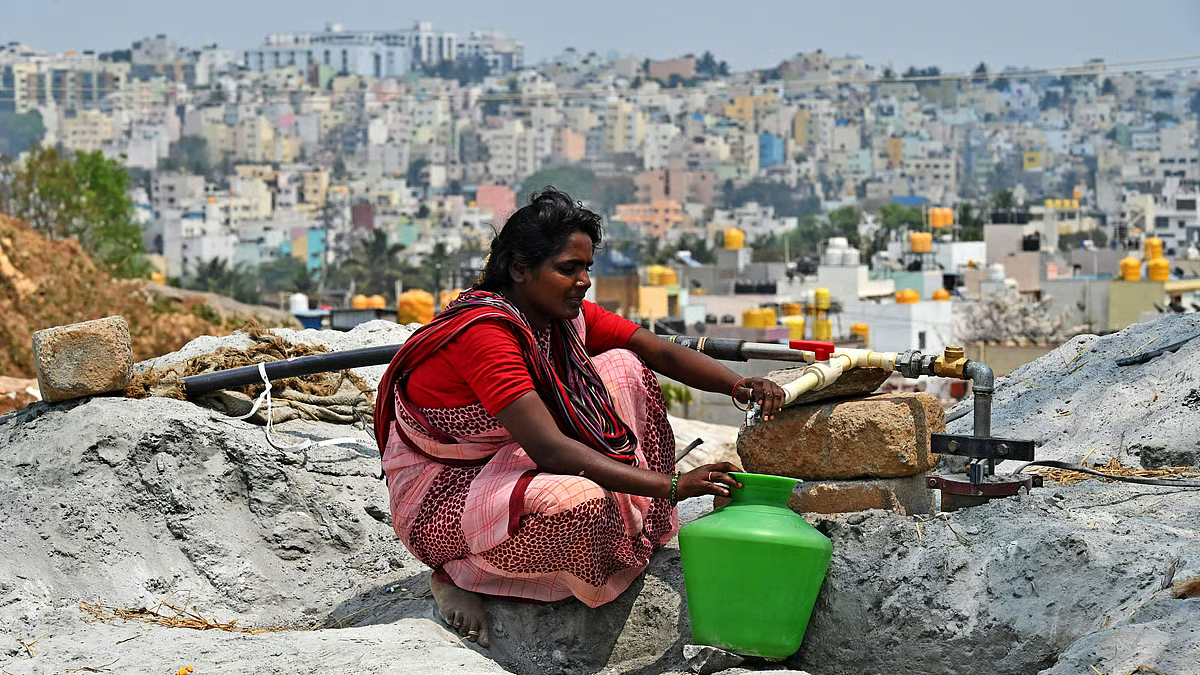
Every summer, the water crisis in Indian cities becomes more visible, but the pressure is often greatest in smaller urban centers. Cities such as Nashik, Aurangabad, Hubballi, Gwalior and Jabalpur are adopting stricter supply schedules, tanker support and conservation measures to manage rising demand.
Why the Summer Water Crisis Hits Smaller Cities Harder
The water crisis in summer affects nearly every part of India, but Tier-2 and Tier-3 cities face unique challenges. Their populations are growing quickly, yet water infrastructure often expands more slowly than housing and commercial development.
Demand rises sharply between March and June as temperatures increase, groundwater levels fall and reservoirs receive little recharge before the monsoon. Many cities rely on a mix of dams, rivers, borewells and tanker supplies.
When one source underperforms, municipal authorities are forced to ration supply. Residents may receive water only once a day or on alternate days, especially in rapidly growing neighborhoods.
Growing Population and Urban Expansion Increase Water Demand
Mid-sized Indian cities are attracting new residents because of lower living costs and expanding job opportunities. This growth has created additional pressure on water resources.
New residential townships, industrial parks and commercial centers consume large volumes of water. In some cities, aging pipelines and leakage further reduce effective supply.
Urban planners often estimate that 20 to 40 percent of treated water can be lost through distribution inefficiencies, depending on the condition of the network.
This means that even when water is available, a significant portion may not reach consumers.
Nashik and Aurangabad Rely on Supply Management
Nashik and Aurangabad have periodically implemented controlled supply schedules during peak summer months.
Municipal corporations typically monitor reservoir storage and adjust distribution based on available stock. Tankers are deployed to areas facing acute shortages, while authorities issue advisories urging residents to reduce consumption.
In both cities, expanding populations and industrial activity have made water planning a year-round concern rather than a seasonal issue.
These examples show how supply management has become a core urban governance function.
Indore and Surat Invest in Water Infrastructure
Indore and Surat have invested in pipeline upgrades, monitoring systems and water treatment capacity to reduce stress during summer.
These cities also promote rainwater harvesting and stricter enforcement in new building approvals.
While no city is immune to seasonal shortages, better infrastructure and planning improve resilience and reduce the need for emergency measures.
Their approach highlights the importance of combining technology with long-term resource management.
Tankers and Borewells Fill the Supply Gap
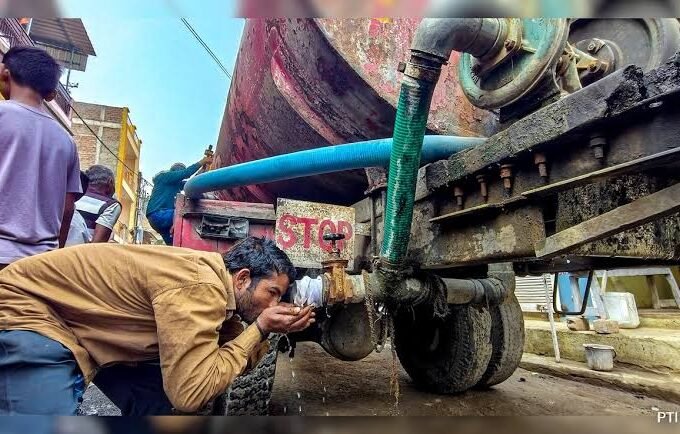
In many smaller cities, private water tankers become an essential backup source when municipal supply is inadequate.
Housing societies, hospitals and businesses often depend on tanker deliveries to maintain operations. At the same time, residents increasingly turn to borewells.
Excessive groundwater extraction, however, can worsen long-term scarcity. Falling water tables raise pumping costs and reduce availability for future seasons.
This creates a cycle in which short-term solutions contribute to deeper structural problems.
Rainwater Harvesting and Reuse Gain Importance
To address recurring shortages, more cities are encouraging rainwater harvesting and wastewater reuse.
Collected rainwater helps recharge aquifers, while treated wastewater can be used for landscaping, industrial processes and non-potable applications.
Several state governments have made rainwater harvesting mandatory for larger buildings.
Although implementation remains uneven, these measures are becoming increasingly important as climate variability affects rainfall patterns.
How Households Are Adapting to Water Shortages
Residents in water-stressed cities have adjusted their daily routines to cope with uncertain supply.
Many households install storage tanks, monitor usage and reuse greywater for cleaning and gardening. Water-efficient fixtures are also becoming more common.
Public awareness has improved, but conservation habits are still inconsistent.
Sustainable water use at the household level remains a critical part of managing urban demand.
Climate Change Is Making Water Planning More Urgent
Irregular rainfall, longer dry spells and rising temperatures are making water management more complex.
Cities can no longer depend solely on historical weather patterns when planning reservoir releases and infrastructure investment.
Experts increasingly emphasize diversified water sources, leak reduction and aquifer recharge as essential strategies.
What happens in smaller cities today offers a preview of how urban India will need to manage water in the future.
Key Takeaways
- Smaller Indian cities face acute summer water stress due to rapid growth and limited infrastructure.
- Municipalities use rationing, tanker deployment and groundwater extraction to bridge supply gaps.
- Cities like Indore and Surat are investing in long-term water infrastructure and conservation.
- Rainwater harvesting and wastewater reuse are becoming essential for sustainable urban planning.
FAQs
Why do Tier-2 cities face water shortages in summer?
Rising populations, limited storage, groundwater depletion and aging infrastructure all contribute to seasonal shortages.
How do municipalities manage summer water demand?
Common measures include scheduled supply, tanker services, reservoir monitoring and conservation advisories.
Are tankers a long-term solution?
No. Tankers are useful in emergencies but are expensive and do not address structural supply issues.
What can households do to reduce water use?
Rainwater harvesting, leak repair, storage planning and reusing greywater can significantly lower consumption.






Leave a comment