

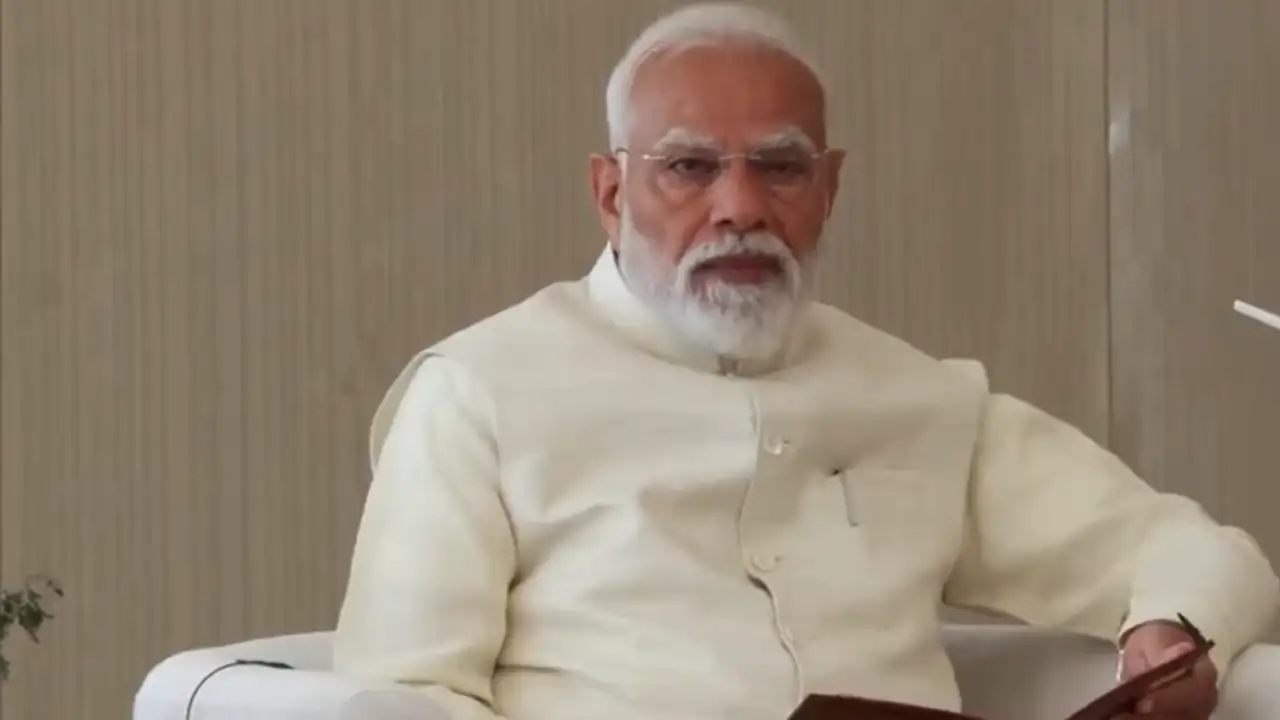
Prime Minister Narendra Modi’s UAE visit has resulted in a major economic boost for India, with the United Arab Emirates announcing a fresh $5 billion investment package. The funding is expected to strengthen infrastructure, banking, and job creation, with benefits likely to extend well beyond metro cities into India’s fast-growing Tier-2 and Tier-3 regions.
Prime Minister Narendra Modi’s visit to the United Arab Emirates on May 15, 2026, was more than a diplomatic stopover. It delivered one of the biggest foreign investment announcements of the year, alongside strategic agreements on defence, energy security, and infrastructure.
The UAE’s $5 billion investment commitment comes at a time when India is pushing to expand economic growth beyond major metros such as Mumbai, Delhi, and Bengaluru. For cities like Nagpur, Indore, Lucknow, Coimbatore, and Surat, the announcement could open the door to new projects, improved connectivity, and employment opportunities.
What Was Announced During PM Modi’s UAE Visit?
During talks with UAE President Sheikh Mohamed bin Zayed Al Nahyan, both countries signed a series of agreements covering strategic defence cooperation, petroleum reserves, LPG supply, maritime development, and technology collaboration.
The headline announcement was the UAE’s $5 billion investment in India. According to the Government of India, the package includes:
- $3 billion by Emirates NBD in RBL Bank
- $1 billion by the Abu Dhabi Investment Authority and the National Investment and Infrastructure Fund for priority infrastructure projects
- $1 billion by International Holding Company in Sammaan Capital
This structure shows that the investment is aimed not just at financial markets, but at real assets and long-term infrastructure.
Why Smaller Indian Cities Stand to Gain
When large institutional investors back infrastructure funds such as NIIF, the money often flows into projects with broad regional impact. That includes highways, logistics parks, industrial corridors, renewable energy assets, and urban utilities.
For Tier-2 cities, this can be significant.
Cities like Nagpur, Vadodara, Jaipur, Kochi, and Bhubaneswar are increasingly attracting manufacturing units, warehouses, and technology parks. Better roads, energy infrastructure, and access to credit make these locations more competitive for both Indian and foreign companies.
In practical terms, residents may benefit through:
- Construction and engineering jobs
- New industrial and warehousing opportunities
- Improved roads and transport networks
- Growth in local businesses serving expanding populations
Infrastructure Investment Means More Than Concrete
Infrastructure investment has a multiplier effect. A new expressway or logistics hub creates immediate jobs during construction, but it also lowers transport costs and attracts private investment.
For example, if a city gains a modern industrial park, manufacturers may set up nearby units. This creates demand for electricians, machine operators, accountants, drivers, retailers, and service providers.
That is why foreign investment announcements matter to ordinary households. They often trigger economic activity that reaches local markets and small businesses.
Boost to Energy Security Will Help the Wider Economy
Alongside the investment package, India and the UAE signed agreements on strategic petroleum reserves and liquefied petroleum gas supply.
India imports most of its crude oil needs, making it vulnerable to geopolitical disruptions and price spikes. Stronger energy cooperation with the UAE helps improve supply stability.
For smaller cities, better energy security can mean fewer supply disruptions and less volatility in fuel and transport costs. Since diesel prices affect everything from agriculture to bus fares, this has a direct impact on everyday expenses.
Banking Investments Could Improve Credit Availability
The largest component of the package is a $3 billion investment in RBL Bank.
When banks receive fresh capital, they can expand lending to businesses and consumers, subject to regulatory approvals and internal lending decisions. That may help small and medium enterprises in non-metro cities access loans for expansion, equipment, and working capital.
This is particularly important for entrepreneurs in sectors such as manufacturing, healthcare, retail, and services.
Strategic Importance of India-UAE Economic Ties
The UAE is one of India’s most important economic partners. Bilateral trade has grown significantly since the Comprehensive Economic Partnership Agreement came into effect.
Beyond trade, the relationship now covers defence, energy, logistics, fintech, and advanced technology.
The latest agreements signal that Gulf investors continue to see India as a long-term growth market, especially as infrastructure and industrial development accelerate across emerging cities.
What This Means for Local Economies
The real significance of PM Modi’s UAE visit lies in how global capital can translate into local opportunity.
If the investment is deployed effectively, smaller cities could see:
- Faster infrastructure development
- Greater access to financing
- New business activity
- More direct and indirect employment
For young professionals and entrepreneurs outside India’s biggest metros, that could mean more opportunities closer to home.
Key Takeaways
- The UAE announced a $5 billion investment package during PM Modi’s May 2026 visit.
- Funds will support infrastructure projects, banking, and financial services.
- Tier-2 and Tier-3 cities may benefit through jobs, logistics, and industrial growth.
- Energy agreements with the UAE strengthen India’s long-term supply security.
FAQs
What is the $5 billion UAE investment in India?
It is a package of investments by UAE entities in Indian infrastructure projects, RBL Bank, and Sammaan Capital.
Which Indian cities could benefit most?
Emerging cities such as Nagpur, Indore, Jaipur, Surat, and Coimbatore could benefit as infrastructure and industrial investments expand.
Will this create jobs?
Yes, infrastructure and related sectors typically generate both direct and indirect employment opportunities.
Why is the UAE important for India?
The UAE is a major trade partner and investor, and plays a critical role in India’s energy security.











Leave a comment