

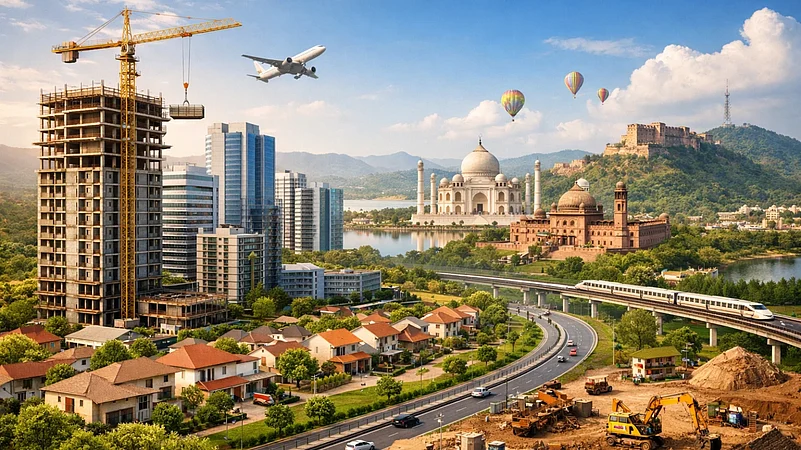
Tier-2 cities are emerging as key drivers of India’s economic growth in 2026. Rising investments, digital infrastructure, startup activity, affordable living, and improved connectivity are helping smaller cities attract businesses, talent, and consumers at an unprecedented pace.
Tier-2 Cities Take Center Stage in India’s Growth Story
The rise of Tier-2 cities in India has become one of the most important economic trends of 2026. Cities such as Indore, Nagpur, Surat, Lucknow, Coimbatore, Bhubaneswar, Kochi, Jaipur, and Visakhapatnam are increasingly attracting investments that were once concentrated in metropolitan areas.
For years, India’s growth narrative revolved around major urban centers like Mumbai, Delhi, Bengaluru, Chennai, and Hyderabad. However, changing business dynamics, digital adoption, and infrastructure development have shifted attention toward smaller urban markets.
The growing importance of Tier-2 cities is evident across sectors including real estate, manufacturing, information technology, e-commerce, logistics, healthcare, and education. Businesses are discovering that these cities offer strong growth opportunities while avoiding many of the challenges associated with larger metros.
Infrastructure Development Driving Regional Growth
One of the biggest reasons behind the rise of Tier-2 cities is the rapid improvement in infrastructure. Government investments in highways, airports, railway modernization, industrial corridors, and urban development projects have significantly improved connectivity.
Projects under initiatives such as Bharatmala, Smart Cities Mission, PM Gati Shakti, and Dedicated Freight Corridors have enhanced the movement of goods and people. Improved connectivity allows businesses to operate efficiently while reaching customers across regions.
Several Tier-2 cities now have expanded airports and better transportation networks, making them more attractive for companies considering expansion. Improved digital infrastructure, including widespread 4G and 5G access, has also enabled businesses to operate from locations beyond traditional metropolitan hubs.
As infrastructure gaps narrow, companies increasingly view these cities as practical alternatives to expensive urban centers.
Lower Costs Attract Businesses and Startups
A major advantage of Tier-2 cities is cost efficiency. Office rentals, commercial spaces, employee housing, and operational expenses are significantly lower compared to major metros.
For startups and growing businesses, controlling costs has become a strategic priority. Establishing operations in cities such as Indore, Nagpur, Chandigarh, or Mysuru often allows companies to reduce expenses while maintaining access to skilled talent.
Many startups are now choosing smaller cities as headquarters or secondary operations centers. The availability of local talent combined with lower business costs creates a favorable environment for entrepreneurship.
Real estate developers are also responding to increased demand by launching commercial and residential projects tailored to professionals and businesses relocating to these emerging urban centers.
Digital Economy Expands Beyond Metropolitan India
The expansion of India’s digital economy has played a crucial role in strengthening Tier-2 cities. Affordable smartphones, digital payments, online education, e-commerce platforms, and remote work opportunities have transformed how people live and work.
Consumers in smaller cities now represent one of the fastest-growing segments for online shopping, fintech services, food delivery platforms, and digital entertainment. Businesses are increasingly targeting these markets because of their large population and rising purchasing power.
The growth of Unified Payments Interface (UPI) transactions and digital banking has further integrated these cities into the formal economy. Local entrepreneurs can now access national markets through online platforms without needing a physical presence in major metropolitan areas.
This digital transformation has reduced geographic barriers and created new economic opportunities for both businesses and consumers.
Talent Retention Is Changing the Urban Migration Pattern
For decades, young professionals often moved to metropolitan cities for education and employment. In recent years, that pattern has started to change.
Many companies now offer remote or hybrid work arrangements, allowing professionals to remain in their hometowns while working for organizations located elsewhere. Simultaneously, local job opportunities have expanded due to investments in information technology, manufacturing, healthcare, education, and services.
Tier-2 cities offer a better quality of life for many residents. Lower living costs, shorter commute times, reduced congestion, and improved urban amenities make these locations attractive alternatives to larger cities.
As more skilled workers choose to stay closer to home, businesses gain access to a stable workforce while cities benefit from increased economic activity and consumer spending.
Why Investors Are Watching Tier-2 Cities Closely
Investors increasingly view Tier-2 cities as long-term growth markets. Rising incomes, expanding middle-class populations, growing infrastructure, and increasing consumption levels make these locations attractive for future investment.
Retail chains, hospitality companies, educational institutions, healthcare providers, and technology firms are actively expanding their presence in these regions. Manufacturing companies are also establishing facilities in smaller cities to benefit from available land and workforce resources.
Economic experts believe that India’s next phase of growth will be more geographically distributed than previous decades. Rather than being concentrated in a handful of metropolitan areas, growth is expected to spread across multiple emerging urban centers.
This shift could help create more balanced regional development while generating employment opportunities closer to where people live.
Key Takeaways
- Tier-2 cities are attracting investment due to better infrastructure and connectivity.
- Lower business and living costs make these cities attractive alternatives to major metros.
- Digital adoption is accelerating economic growth and consumer spending in smaller cities.
- Investors increasingly view Tier-2 cities as major contributors to India’s future growth.
FAQ
Q1. What are Tier-2 cities in India?
Tier-2 cities are mid-sized urban centers that are smaller than major metropolitan cities but have significant economic, educational, and infrastructure development.
Q2. Why are businesses expanding into Tier-2 cities?
Businesses benefit from lower operating costs, improved infrastructure, access to talent, and growing consumer markets.
Q3. Which Indian Tier-2 cities are growing rapidly in 2026?
Cities such as Indore, Nagpur, Surat, Lucknow, Jaipur, Coimbatore, Kochi, Bhubaneswar, Visakhapatnam, and Mysuru are witnessing significant growth.
Q4. How does digital technology support Tier-2 city growth?
Digital payments, e-commerce, remote work, online education, and widespread internet access have helped integrate smaller cities into the national economy.
(Tier-2 cities India, India’s growth engines 2026, emerging cities India, startup ecosystem Tier-2 cities, digital economy India, regional development India, Tier-2 city investments, infrastructure growth India, economic growth cities, business expansion India)










Leave a comment