

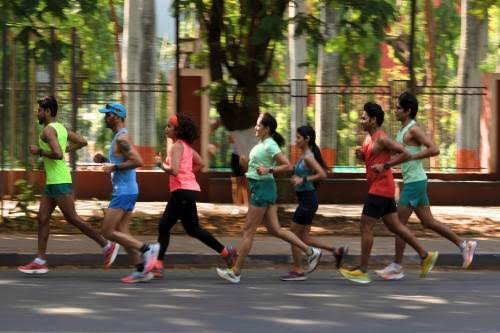
Affordable fitness trends are reshaping how people stay active across Tier 2 and Tier 3 cities in India. From community workouts and outdoor exercise spaces to budget gyms and digital fitness apps, accessible options are helping more Indians adopt healthier lifestyles without spending heavily.
The growing demand for affordable fitness trends in India is changing the country’s wellness landscape, particularly beyond metro cities. While expensive gyms and premium fitness clubs once dominated the industry, smaller cities are witnessing the rise of budget-friendly alternatives that focus on accessibility and long-term health. Community parks, low-cost gyms, digital fitness platforms, group activities, and home workouts are encouraging people of all age groups to stay active without placing pressure on their monthly budgets.
Budget Gyms Are Expanding Across Tier 2 and Tier 3 Cities
One of the biggest developments in recent years has been the rapid growth of affordable gyms in smaller cities. Entrepreneurs are opening neighborhood fitness centers with reasonable monthly memberships, making structured exercise accessible to students, working professionals, homemakers, and senior citizens.
Many of these gyms provide essential equipment for strength training, cardio workouts, and functional fitness without premium pricing. Flexible monthly plans and personal training options allow members to choose services according to their needs.
As disposable incomes gradually increase in smaller cities, affordable gyms are filling the gap between expensive fitness chains and traditional exercise routines.
Public Parks Are Becoming Everyday Fitness Hubs
Outdoor fitness is gaining popularity because it requires little or no financial investment. Public parks, walking tracks, open-air gyms, and cycling paths have become preferred exercise spaces for families and individuals looking to stay healthy.
Morning and evening walking groups are common in many towns, while local communities organize yoga sessions, stretching classes, laughter clubs, and aerobics programs in public spaces.
These activities encourage regular exercise while creating opportunities for social interaction. For older adults especially, community-based fitness routines often improve consistency because participants motivate one another to remain active.
Municipal investments in outdoor fitness equipment have also made basic strength and flexibility exercises available free of cost.
Home Workouts Continue to Attract Busy Professionals
Home fitness remains one of the most affordable ways to maintain physical health. Online workout videos, fitness applications, and virtual coaching sessions allow people to exercise without purchasing expensive equipment.
Many routines require only body weight exercises such as squats, push-ups, lunges, planks, and stretching. Resistance bands, skipping ropes, yoga mats, and adjustable dumbbells provide additional training options at relatively low cost.
Working professionals who cannot visit gyms regularly often prefer short home workouts that fit into their daily schedules. This flexibility has made home fitness one of the fastest-growing wellness habits across non-metro cities.
Yoga and Traditional Wellness Practices Remain Popular
Yoga continues to be one of India’s most accessible and affordable fitness activities. Community yoga classes, school programs, workplace wellness sessions, and local instructors have helped increase participation in both urban and rural areas.
Unlike many specialized fitness programs, yoga requires minimal equipment while offering benefits for flexibility, balance, posture, stress management, and overall well-being.
Many people also combine yoga with meditation and breathing exercises to improve mental wellness alongside physical fitness. This holistic approach has attracted participants from different age groups, particularly those seeking sustainable lifestyle changes instead of short-term fitness goals.
Digital Fitness Platforms Make Expert Guidance Affordable
The expansion of affordable internet access and smartphone usage has made digital fitness education widely available.
Fitness creators, certified trainers, nutrition experts, and physiotherapists now share exercise routines, health tips, meal planning advice, and wellness guidance through mobile applications and social media platforms.
Many digital services offer free or low-cost subscription models compared to traditional personal training. This allows users in smaller cities to access professional guidance that was once available mainly in metropolitan areas.
However, health experts recommend choosing certified trainers and consulting medical professionals before beginning intense exercise programs, particularly for individuals with existing health conditions.
Group Sports and Recreational Activities Are Growing
Fitness is no longer limited to gym workouts. Recreational sports such as badminton, cricket, football, volleyball, pickleball, cycling, and running clubs are becoming increasingly popular across smaller cities.
Weekend sports groups provide physical exercise while encouraging teamwork and community participation. Cycling clubs, marathon groups, and local sporting events are also attracting first-time participants who want enjoyable alternatives to traditional gym routines.
Schools, colleges, resident associations, and local organizations are supporting these activities by organizing tournaments and fitness events throughout the year.
These community-driven initiatives make regular physical activity both affordable and socially engaging.
Affordable Nutrition Is Becoming Part of Fitness Awareness
Fitness awareness is increasingly focusing on balanced nutrition rather than expensive supplements. Nutrition experts emphasize that healthy eating can often be achieved using locally available foods such as pulses, seasonal vegetables, fruits, eggs, dairy products, whole grains, and traditional Indian meals.
Many fitness enthusiasts in smaller cities are learning that consistency in diet and exercise produces better long-term results than costly products marketed through social media.
Educational content about hydration, portion control, protein intake, and balanced meals has also become more accessible through digital platforms.
The Future of Affordable Fitness in India
India’s fitness culture is becoming more inclusive as affordable options continue to expand beyond metro cities. Improved digital access, community participation, better public infrastructure, and increased health awareness are encouraging more people to adopt active lifestyles.
The future of fitness in smaller cities is likely to focus on accessibility rather than luxury. Affordable gyms, outdoor exercise spaces, home workouts, yoga, recreational sports, and digital coaching together are creating a wellness ecosystem that is practical for people across different income groups.
As awareness grows about preventing lifestyle diseases through regular physical activity, affordable fitness solutions are expected to play an increasingly important role in improving public health across India.
Takeaways
- Budget gyms and public fitness spaces are making exercise more accessible in Tier 2 and Tier 3 cities.
- Home workouts and digital fitness platforms offer affordable guidance for people with busy schedules.
- Yoga, walking groups, and recreational sports continue to promote long-term healthy lifestyles.
- Consistent exercise and balanced nutrition are more important than expensive fitness products.
Frequently Asked Questions
1. Why are affordable fitness options becoming popular in smaller cities?
They allow people to maintain healthy lifestyles without paying high gym membership fees while offering flexible and accessible exercise options.
2. Are home workouts effective for fitness?
Yes. Well-designed home workouts that combine strength training, cardio, flexibility, and consistency can improve overall fitness without requiring expensive equipment.
3. What are the most affordable forms of exercise?
Walking, jogging, yoga, cycling, body weight training, outdoor workouts, and community sports are among the most affordable and effective fitness activities.
4. Do people need expensive supplements to stay fit?
No. Most healthy individuals can meet their nutritional needs through balanced diets that include protein, whole grains, fruits, vegetables, healthy fats, and adequate hydration. Supplements should only be used when recommended by qualified healthcare professionals.
(Internal keyword suggestions: affordable fitness trends India, fitness in Tier 2 cities, budget gyms India, home workouts India, outdoor fitness parks, yoga in India, digital fitness apps, affordable wellness, community fitness programs, healthy lifestyle India)










Leave a comment