

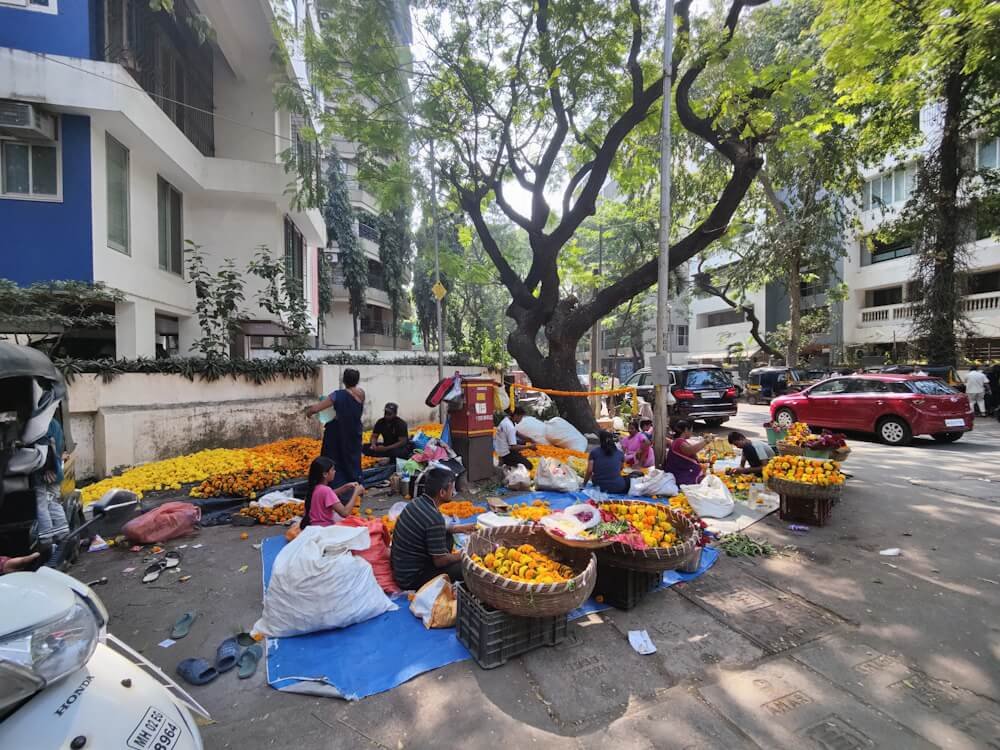
India’s smaller cities are gearing up for the upcoming festival economy through increased retail stocking, digital payments, infrastructure upgrades, and local business expansion. From shopkeepers to e-commerce sellers, Tier-2 and Tier-3 markets are expected to play a major role in driving festive consumer spending.
The topic is evergreen with seasonal relevance. While the festival shopping season approaches every year, the broader trends discussed in this article remain consistent and are not tied to a single news event. The tone is therefore informative and analytical.
Smaller Cities Are Becoming the Engine of India’s Festival Economy
The festival economy in smaller cities is gaining importance as businesses prepare for one of the busiest shopping periods of the year. Every festive season, consumer spending rises across categories such as electronics, clothing, home appliances, jewellery, automobiles, smartphones, groceries, gifts, and travel. While metro cities continue to generate significant demand, Tier-2 and Tier-3 cities are increasingly contributing a larger share of India’s festive sales.
Improved digital connectivity, rising disposable incomes, expanding retail networks, and greater access to online shopping have transformed buying patterns in smaller cities. Businesses are now planning their festive strategies months in advance, recognising that demand is no longer concentrated only in metropolitan markets.
This shift is making smaller cities a key growth driver for India’s retail and consumer economy.
Retailers Are Expanding Inventory Ahead of Peak Demand
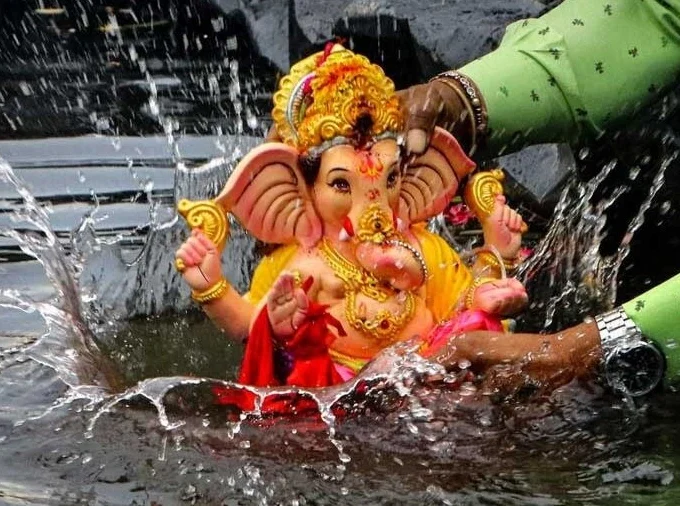
One of the earliest signs of festival preparation is the increase in inventory across local markets. Retailers in smaller cities begin stocking festive collections well before major celebrations such as Raksha Bandhan, Ganesh Chaturthi, Navratri, Durga Puja, Dussehra, Diwali, Christmas, and New Year.
Clothing stores introduce new fashion collections, electronics retailers increase stocks of smartphones and appliances, while jewellery shops prepare exclusive festive designs. Grocery stores and sweet shops also strengthen their supply chains to meet higher customer demand.
Local manufacturers and wholesalers work closely with retailers to ensure products are available without significant shortages. Businesses have become more data-driven, using previous years’ sales trends and consumer demand forecasts to manage inventory more efficiently.
Digital Payments and E-commerce Are Expanding Opportunities
Digital payments have become a major factor behind the growth of the festival economy in smaller cities. Unified Payments Interface (UPI), mobile wallets, internet banking, and QR code payments have made transactions faster and more convenient for both businesses and customers.
At the same time, e-commerce platforms have expanded their reach into Tier-2 and Tier-3 locations through improved logistics and faster delivery networks. Consumers now compare prices online before making purchases, while many local businesses also sell through digital marketplaces alongside their physical stores.
Social commerce is growing as well. Small entrepreneurs increasingly use platforms such as Instagram, WhatsApp Business, and Facebook Marketplace to showcase festive products and connect directly with customers.
The combination of digital payments and online retail has created new revenue opportunities for businesses that previously relied only on walk-in customers.
Local Businesses Are Hiring and Investing Before Festivals
The festive season creates temporary employment across several industries. Retail stores, courier companies, warehouses, restaurants, transportation providers, and event management businesses often recruit additional workers to manage increased demand.
Many small businesses also invest in store renovations, improved product displays, lighting, signage, and festive decorations to attract customers. Marketing budgets typically increase during this period, with businesses using social media advertising, local newspapers, radio campaigns, and promotional events.
Restaurants introduce seasonal menus, hotels prepare special packages for travellers, and tourism businesses expect higher visitor numbers during long holiday weekends.
These activities contribute to local economic growth while generating additional income for workers and small enterprises.
Infrastructure and Logistics Are Supporting Festival Growth
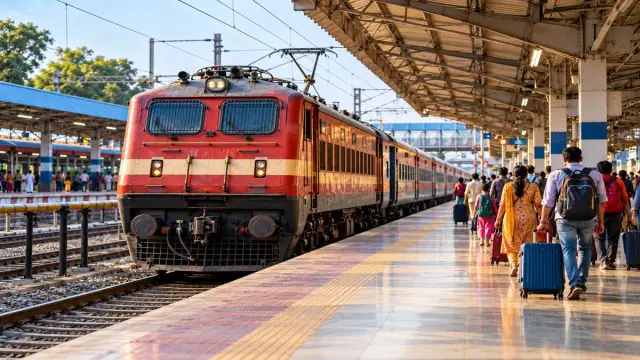
Efficient logistics play an important role during the festive shopping season. Delivery companies increase vehicle fleets, warehouses improve inventory management, and courier services hire temporary staff to handle higher shipment volumes.
Municipal authorities in several cities also prepare by improving traffic management, increasing cleanliness drives, repairing roads near major marketplaces, and enhancing public safety arrangements.
Power utilities often strengthen maintenance schedules to minimise electricity disruptions during festivals when demand typically rises. Public transport agencies may introduce additional services in busy commercial areas to accommodate larger crowds.
These infrastructure improvements help businesses operate more smoothly while enhancing the shopping experience for consumers.
Consumer Behaviour Is Changing Across Smaller Cities
Festival shopping habits have evolved significantly over the past decade. Consumers in smaller cities are becoming more value-conscious while also showing greater interest in premium products.
Many buyers research products online before visiting stores. Seasonal discounts, cashback offers, exchange schemes, and no-cost EMI options influence purchasing decisions across categories such as electronics, automobiles, furniture, and home appliances.
Young consumers increasingly prioritise branded products, while families continue to value local businesses that offer personalised service and long-standing relationships.
This combination of traditional shopping behaviour and digital awareness is creating a more competitive retail environment where businesses must focus on customer experience as much as pricing.
The Festival Economy Will Continue to Strengthen Smaller Cities
India’s festival economy has become much broader than seasonal shopping. It supports manufacturing, logistics, transportation, tourism, hospitality, financial services, digital payments, and local entrepreneurship.
As income levels rise and digital infrastructure continues to improve, smaller cities are expected to contribute an even larger share of festive consumption in the coming years. Businesses are increasingly recognising that long-term growth depends not only on metropolitan markets but also on understanding the aspirations of consumers living in emerging urban centres.
For retailers, manufacturers, and service providers, preparing early for the festive season has become an essential business strategy. The continued expansion of Tier-2 and Tier-3 markets suggests that these cities will remain central to India’s economic growth during every major festival season.
Key Takeaways
- Tier-2 and Tier-3 cities are becoming major contributors to India’s festival economy.
- Retailers are increasing inventory, hiring staff, and expanding marketing efforts ahead of festive demand.
- Digital payments and e-commerce have significantly improved shopping accessibility in smaller cities.
- Better infrastructure, logistics, and changing consumer preferences continue to support festive economic growth.
Frequently Asked Questions
1. Why are smaller cities becoming important during the festive season?
Rising incomes, improved internet access, digital payments, and expanding retail networks have increased consumer spending across Tier-2 and Tier-3 cities.
2. Which industries benefit the most from the festival economy?
Retail, e-commerce, logistics, hospitality, tourism, electronics, fashion, jewellery, food, transportation, and financial services typically experience strong growth during festive periods.
3. How has digital technology changed festive shopping?
Consumers now compare products online, make digital payments, access online discounts, and receive faster deliveries, making shopping more convenient than before.
4. Why do businesses prepare months before festivals?
Early planning helps businesses manage inventory, strengthen supply chains, recruit temporary staff, and launch marketing campaigns before customer demand reaches its peak.
(Internal keyword suggestions: festival economy India, Tier-2 cities, Tier-3 cities, festive shopping India, retail growth India, digital payments, festive retail trends, e-commerce in smaller cities, local businesses India, festival consumer spending, festive season business, Indian retail market)









Leave a comment