

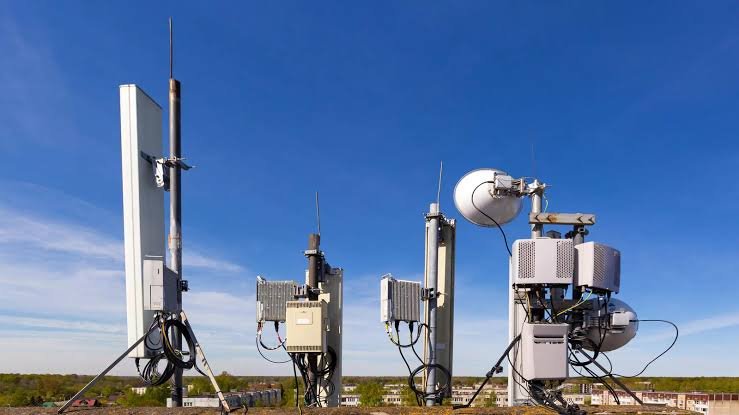
India is expanding its telecom manufacturing ecosystem beyond traditional industrial centres, with Gwalior emerging as a major example. New manufacturing zones, government incentives and growing demand for telecom equipment could create employment, attract investment and open opportunities for smaller Indian cities.
India’s Telecom Manufacturing Sector Enters a New Phase
India’s telecom manufacturing industry is undergoing a significant transformation as the country looks to strengthen domestic production and reduce dependence on imported equipment. The government’s focus is gradually shifting from providing telecommunications services to building the technology and infrastructure required to support them.
Telecom manufacturing includes the production of routers, antennas, optical fibre cables, networking equipment, mobile components and other devices used in communication networks. These products are essential for expanding 4G and 5G connectivity, enterprise networks and future telecommunications technologies.
For several years, India’s telecom industry has been recognised for its large consumer market and expanding digital infrastructure. However, developing a strong domestic manufacturing ecosystem requires more than telecom operators and service providers. It also requires factories, component suppliers, research facilities, skilled engineers and testing laboratories.
The government’s Production Linked Incentive (PLI) scheme for telecom and networking products is one of the initiatives supporting this transition. According to government figures released in November 2026, the telecom PLI scheme had attracted cumulative investments of ₹5,627 crore, generated production and sales worth ₹1,20,721 crore and created 36,319 direct jobs as of June 30, 2026.
Gwalior Telecom Manufacturing Zone Brings Smaller Cities Into Focus
One of the most important developments in India’s telecom manufacturing push is the proposed Telecom Manufacturing Zone in Gwalior, Madhya Pradesh.
In July 2026, the Department of Telecommunications signed a memorandum of understanding with the Madhya Pradesh government to establish an integrated manufacturing zone in the city. The project is designed to bring telecom equipment manufacturers, electronics companies, research facilities and supporting industries together.
The proposed zone will cover approximately 350 acres and is intended to provide infrastructure for manufacturing, research and development, innovation and related industrial activities.
The Centre has allocated ₹493 crore for the development of core infrastructure during the first phase. The Madhya Pradesh government has also extended land and investment-related incentives to attract manufacturers.
In September 2026, the government reported that 24 companies had initiated the application process for setting up units in the proposed zone. Investment proposals and commitments were estimated at approximately ₹5,500 crore, with employment potential exceeding 18,000 direct and indirect opportunities.
The development is significant because it demonstrates how a city outside India’s traditional metropolitan manufacturing centres could become part of a high-technology industrial ecosystem.
However, proposed investments and employment estimates should not be confused with completed factories or jobs already created. The actual impact will become clearer as companies complete applications, establish facilities and begin production.
Government Incentives Could Attract Telecom Manufacturers
Financial incentives and infrastructure support are important factors influencing where manufacturing companies establish their facilities.
For the Gwalior Telecom Manufacturing Zone, the central government has committed ₹493 crore towards first-phase infrastructure development. The Madhya Pradesh government has also introduced a special policy package covering land, power, employment and production-related support.
Eligible businesses can access provisions such as capital investment subsidies, power tariff rebates, employment assistance and skill development support, subject to the applicable conditions.
The package also includes support for research and development and certain export-related expenses. These measures are intended to make the location more attractive for companies considering new manufacturing facilities.
For smaller cities, such incentives can help address some of the disadvantages associated with limited industrial infrastructure.
However, financial assistance alone cannot guarantee industrial success. Manufacturers also consider access to suppliers, transportation facilities, skilled workers, reliable electricity, water availability and proximity to major markets.
The ability to provide these facilities consistently will determine whether smaller cities can compete with established manufacturing locations.
How the PLI Scheme Is Supporting Domestic Telecom Production
The Production Linked Incentive scheme for telecom and networking products was introduced in February 2021 with an approved financial outlay of ₹12,195 crore.
Its primary objective is to encourage companies to manufacture telecom equipment in India by providing incentives linked to incremental production and sales, subject to eligibility requirements.
The scheme covers products across the telecom and networking ecosystem. It also includes provisions encouraging design-led manufacturing to strengthen India’s domestic technology capabilities.
According to a government update published in November 2026, the telecom PLI scheme had achieved cumulative production and sales of ₹1,20,721 crore by June 30, 2026. It had also supported ₹5,627 crore in investment and 36,319 direct jobs.
The government has reported telecom exports worth ₹21,033 crore under the broader manufacturing push, indicating growing opportunities for Indian manufacturers in international markets.
These developments suggest that domestic manufacturing is gradually expanding beyond basic assembly operations. Building stronger component supply chains, improving product quality and developing indigenous technologies will be important for the next stage of growth.
For smaller cities, participation in this ecosystem does not necessarily require establishing a large telecom equipment factory. Local businesses could also supply electrical components, packaging materials, industrial services, machinery maintenance and logistics support.
Can Tier-2 Cities Become India’s Next Manufacturing Hubs?
India’s manufacturing expansion is increasingly bringing attention to Tier-2 and Tier-3 cities.
These locations often offer comparatively affordable industrial land, lower real estate expenses and access to regional labour markets. They may also have established educational institutions and engineering talent that can support industrial development.
The Economic Survey 2025-26 highlighted the potential of smaller cities to emerge as competitive manufacturing centres. It noted that manufacturing activity is expanding beyond metropolitan areas and identified affordable land, lower costs and proximity to raw materials as important advantages.
The survey also emphasised that infrastructure, connectivity, industrial skills and supportive policies are necessary to make these cities globally competitive.
Gwalior’s proposed telecom manufacturing ecosystem reflects this broader opportunity.
Other smaller industrial centres can also explore opportunities in electronics, electrical equipment, component manufacturing and technology-related services, depending on their existing capabilities.
For example, cities with established engineering and industrial businesses may be able to attract suppliers serving larger manufacturing companies. Locations with strong technical institutions could also support research, product testing and workforce development.
However, not every Tier-2 city can become a technology hub simply by attracting one major investor. Long-term industrial development requires a network of supporting businesses and institutions.
Employment Opportunities for Engineers and Skilled Workers
The expansion of telecom manufacturing could create employment opportunities across different skill levels.
Manufacturing facilities require electrical engineers, electronics engineers, mechanical engineers, production supervisors, quality-control professionals and technicians.
Additional employment can emerge in logistics, warehouse management, equipment maintenance, administration and industrial services.
The proposed Gwalior zone is expected to create thousands of direct and indirect employment opportunities as the project develops. Its potential impact could extend to nearby towns and districts through supporting businesses and service providers.
For students in smaller cities, this creates a reason to consider technical education and specialised training in electronics and telecommunications.
Institutions offering courses in electronics engineering, electrical engineering, embedded systems, industrial automation and related disciplines could become important contributors to the local talent pipeline.
However, educational institutions will need to align their training programmes with actual industry requirements. Practical experience, technical certifications and exposure to industrial equipment will be important for improving employment opportunities.
Local recruitment will also depend on whether companies find workers with the necessary skills and whether graduates are willing to pursue manufacturing careers.
Infrastructure and Supply Chains Remain Major Challenges
Despite the opportunities, smaller cities face several challenges before they can compete with established industrial hubs.
Telecom manufacturing requires reliable electricity, advanced testing facilities, efficient transportation and access to specialised components. Delays in logistics or interruptions in power supply can increase production costs and affect delivery schedules.
Another challenge is the availability of domestic components.
Manufacturing a finished telecom product does not necessarily mean that all its critical parts are produced within India. Companies may still depend on imported semiconductors, electronic components and specialised materials.
Developing a deeper domestic supply chain will therefore be essential for reducing import dependence and improving competitiveness.
Research and development is another important requirement. India needs to strengthen its capabilities in product design, testing, software integration and advanced communication technologies.
The Gwalior project includes plans for common testing facilities and research infrastructure. Such facilities could help manufacturers validate products and improve their ability to meet industry standards.
The Economic Survey has also highlighted the importance of logistics efficiency, research and development, industrial infrastructure and MSME competitiveness in India’s manufacturing transformation.
What This Manufacturing Push Means for India’s Business Ecosystem
The growth of telecom manufacturing could create opportunities beyond large industrial companies.
Small and medium enterprises can become suppliers of components, industrial materials, packaging, equipment and technical services. Logistics companies may benefit from the movement of raw materials and finished products, while training institutions could develop specialised courses for manufacturing employees.
Local businesses may also see demand from workers and companies operating in industrial zones. This can support housing, transport, food services, retail and other service industries.
For entrepreneurs, the opportunity lies in identifying specific requirements within the manufacturing supply chain rather than entering the sector without a clear business plan.
Companies interested in participating will need to understand quality standards, investment requirements, procurement processes and the technical expectations of larger manufacturers.
The success of these industrial zones will depend on whether they generate long-term economic activity rather than remaining dependent on initial government incentives.
Can Smaller Cities Become Technology Hubs?
India’s telecom manufacturing expansion offers smaller cities an opportunity to participate in the country’s technology and industrial growth.
Gwalior’s proposed Telecom Manufacturing Zone is an important development in this direction. Its investment proposals, infrastructure plans and expected employment generation show the potential of developing specialised manufacturing ecosystems outside major metropolitan centres.
However, becoming a technology hub requires more than setting aside land or announcing investment commitments. Cities need reliable infrastructure, skilled workers, research facilities, strong supplier networks and predictable business conditions.
If these requirements are addressed, smaller cities could become important contributors to India’s telecom and electronics manufacturing ecosystem.
The larger opportunity is not limited to producing telecom equipment. It is about developing local industrial capabilities, creating skilled employment and giving regional businesses a stronger position in India’s expanding technology economy.
Key Takeaways
- India’s telecom PLI scheme had attracted ₹5,627 crore in investments and generated 36,319 direct jobs as of June 30, 2026.
- Gwalior is developing a proposed 350-acre Telecom Manufacturing Zone with ₹493 crore in central infrastructure support.
- Twenty-four companies had initiated the application process for the Gwalior project, with proposed investment commitments of approximately ₹5,500 crore.
- Infrastructure, skilled workers, research facilities and domestic component supply chains will determine whether smaller cities can become successful technology manufacturing hubs.
Frequently Asked Questions (FAQs)
1. Why is India focusing on telecom manufacturing?
India is focusing on domestic telecom manufacturing to strengthen its supply chains, reduce dependence on imported equipment, increase exports and develop indigenous technology capabilities. The expansion also supports employment and industrial investment.
2. What is the Gwalior Telecom Manufacturing Zone?
It is a proposed integrated industrial cluster in Gwalior, Madhya Pradesh, designed to bring telecom and electronics manufacturers, research facilities and supporting industries together. The project is planned across approximately 350 acres.
3. How will telecom manufacturing benefit Tier-2 and Tier-3 cities?
It can attract industrial investment, create skilled employment, support local suppliers and encourage the development of infrastructure. Smaller businesses may also benefit by providing logistics, maintenance, packaging and other industrial services.
4. What are the major challenges for telecom manufacturing in India?
The major challenges include dependence on imported components, limited availability of specialised skills, infrastructure gaps, research and development requirements and the need for globally competitive manufacturing standards.
(Internal keywords: India telecom manufacturing, telecom manufacturing zone Gwalior, telecom manufacturing in India 2026, Indian telecom equipment industry, telecom PLI scheme, Tier-2 cities manufacturing hubs, electronics manufacturing India, Gwalior industrial development, Make in India telecom, telecom industry employment, domestic telecom equipment production, technology hubs in smaller cities)










Leave a comment