

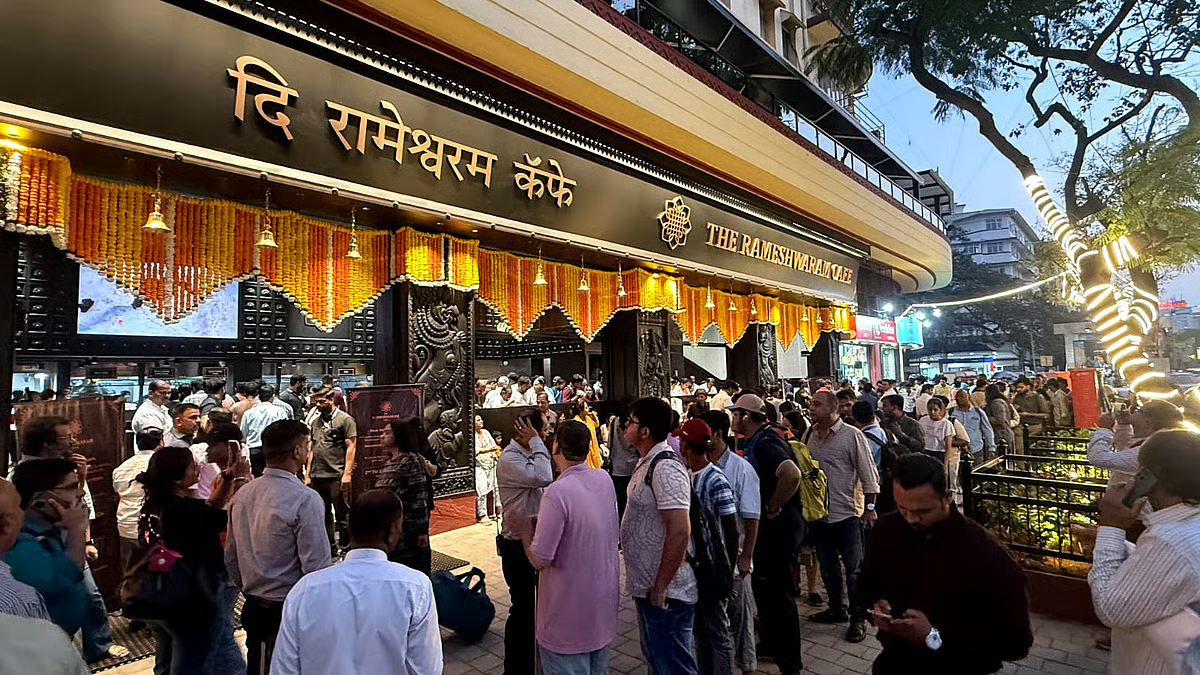
Café culture in India is no longer limited to metros like Mumbai or Delhi. Tier-2 cities such as Pune, Indore, Jaipur, and Lucknow are emerging as vibrant café hubs, driven by youth demand, social media influence, and evolving lifestyle preferences.
Café Culture in Tier-2 Cities Gains Momentum
Café culture in Tier-2 cities is witnessing steady growth as young consumers seek spaces beyond traditional restaurants. The trend is particularly visible in cities like Pune, Nagpur, Indore, and Chandigarh, where cafés are becoming social and work-friendly environments.
Unlike earlier years when cafés were seen as premium urban concepts, affordability and accessibility have widened their reach. Students, freelancers, and young professionals now use cafés as meeting spots, workspaces, and content creation zones.
This shift is not accidental. Rising disposable income and exposure to global trends through social media have changed expectations. Cafés are no longer just about coffee. They represent a lifestyle.
Role of Gen Z and Millennials in Driving Demand
The expansion of café culture is largely fueled by Gen Z and millennials. This audience values experience over consumption. A café visit today is as much about ambiance and aesthetics as it is about food.
Instagram-friendly interiors, themed décor, and curated menus play a key role in attracting customers. Many cafés in Tier-2 cities are specifically designed to be visually appealing, encouraging user-generated content.
Additionally, remote work and freelance culture have increased the need for flexible workspaces. Cafés offering Wi-Fi, charging points, and comfortable seating are becoming informal offices for many young professionals.
Rise of Local Café Brands and Entrepreneurs
One of the most important drivers behind this growth is the rise of local entrepreneurs. Instead of large chains dominating the market, independent café owners are shaping the identity of café culture in smaller cities.
In cities like Jaipur and Indore, homegrown café brands are gaining popularity by offering unique concepts such as pet cafés, book cafés, and art cafés. These spaces create niche communities rather than just serving food and beverages.
Lower rental costs compared to metros also make it easier for entrepreneurs to experiment. This has led to a diverse café ecosystem where innovation is more visible than standardization.
Affordable Pricing Expands Customer Base
Affordability has played a crucial role in scaling café culture beyond metros. While premium cafés still exist, many Tier-2 establishments offer budget-friendly menus that cater to students and young earners.
A typical café bill in cities like Nagpur or Lucknow is significantly lower than in Mumbai or Bengaluru. This pricing strategy ensures repeat visits and builds customer loyalty.
Combo offers, student discounts, and local menu adaptations are common tactics used to maintain steady footfall. The focus is on volume and community building rather than exclusivity.
Social Media and Digital Influence Accelerate Growth
Social media platforms have acted as catalysts for café culture expansion. Instagram reels, food vlogs, and local influencer content are driving discovery and foot traffic.
Many cafés rely heavily on digital marketing instead of traditional advertising. A single viral reel can bring in hundreds of new visitors within days.
Google reviews and location-based searches are also influencing consumer choices. People are more likely to explore new cafés based on ratings, photos, and peer recommendations.
This digital-first discovery model has leveled the playing field for small businesses competing with established chains.
Challenges Facing Café Businesses in Smaller Cities
Despite rapid growth, café culture in Tier-2 cities faces certain challenges. Maintaining consistent quality, managing operational costs, and handling fluctuating demand are key concerns.
Seasonal footfall variations can impact revenue, especially in student-heavy cities. Additionally, competition is increasing as more cafés enter the market.
There is also a learning curve in understanding consumer preferences. What works in one city may not work in another, making localization essential.
However, businesses that adapt quickly and focus on customer experience are managing to sustain growth.
Takeaways
- Tier-2 cities are emerging as strong café culture hubs in India
- Gen Z and millennials are driving demand for experience-based spaces
- Local entrepreneurs are leading innovation with unique café concepts
- Social media is playing a major role in customer discovery and growth
FAQs
Why is café culture growing in Tier-2 cities?
Rising disposable income, youth demand, and social media exposure are driving the growth of cafés beyond metro cities.
Which cities are leading this trend in India?
Cities like Pune, Indore, Jaipur, Lucknow, and Chandigarh are seeing significant café culture expansion.
Are cafés in Tier-2 cities affordable?
Yes, most cafés offer budget-friendly pricing to attract students and young professionals.
How do cafés attract customers in smaller cities?
They focus on ambiance, social media marketing, unique themes, and community-driven experiences.









Leave a comment