

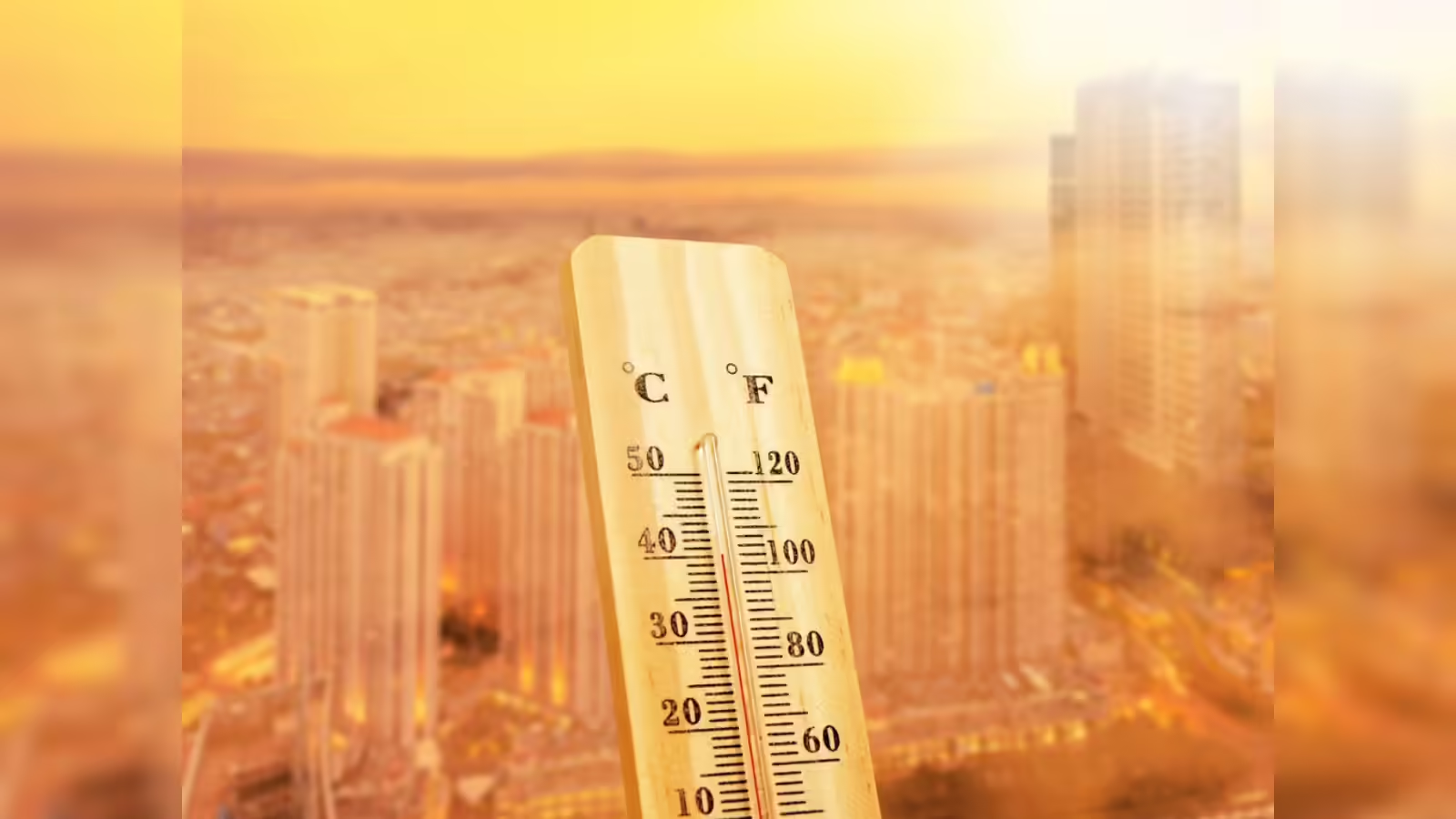
Heatwave alerts and unseasonal rain across non-metro India are highlighting changing climate patterns. Several Tier-2 and Tier-3 regions are witnessing a mix of rising temperatures and sudden rainfall, reflecting increasing weather variability across the country.
Heatwave Alerts Across Non-Metro India Raise Concerns
Heatwave alerts in India are no longer limited to peak summer months, as several non-metro regions are experiencing early temperature spikes. Areas across Central and North India have already reported above-normal temperatures, prompting advisories in some districts.
Cities like Nagpur, Jhansi, and parts of Rajasthan are seeing daytime temperatures rise sharply during late March. These early heat conditions can strain public health systems, especially in regions where heat preparedness infrastructure is still developing.
Authorities typically issue heatwave alerts when temperatures cross specific thresholds or remain significantly above normal for consecutive days. The early arrival of such conditions suggests a shift in seasonal patterns.
For residents, this translates into longer exposure to heat stress and a need for early adaptation measures.
Unseasonal Rainfall and Thunderstorms Disrupt Weather Patterns
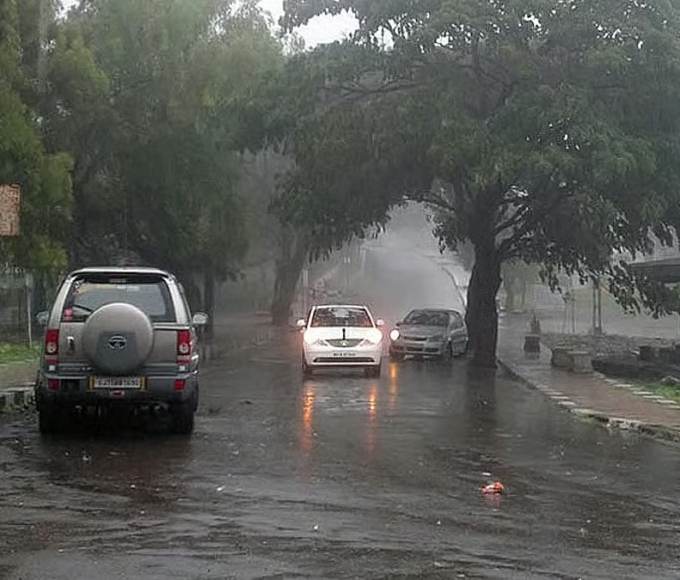
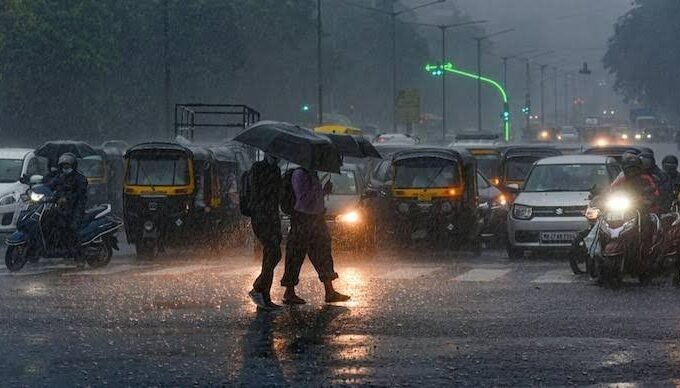
Alongside heatwave alerts, unseasonal rainfall in India is adding complexity to weather conditions in non-metro regions. Several states have reported brief spells of rain and thunderstorms during a period that is usually dominated by dry heat.
This combination of heat and sudden rain is often linked to atmospheric instability caused by interactions between warm surface temperatures and incoming weather systems. Western disturbances and localized convection play a key role in triggering these events.
Tier-2 cities such as Bhopal, Raipur, and Lucknow have experienced short but intense rainfall episodes, sometimes accompanied by strong winds and lightning.
While these rains may offer temporary relief from heat, they can also disrupt agriculture, transport, and daily activities.
Changing Climate Patterns in Tier-2 and Tier-3 Cities
Changing climate patterns in India are becoming more visible in Tier-2 and Tier-3 cities, where weather variability is increasing. Traditionally predictable seasonal transitions are now marked by sudden shifts between heat, rain, and wind activity.
Meteorological data over the past decade indicates a rise in extreme weather events, including heatwaves and irregular rainfall. Non-metro regions, which often rely on consistent seasonal cycles for agriculture and water management, are particularly vulnerable.
Urban expansion in these cities also contributes to localized climate effects. Reduced green cover and increased construction amplify heat retention, making temperature spikes more intense.
These combined factors are reshaping how smaller cities experience and respond to climate conditions.
Impact on Agriculture, Health, and Infrastructure
The mix of heatwave conditions and unseasonal rain has direct implications for agriculture in non-metro India. Crops nearing harvest can be damaged by unexpected rainfall, while rising temperatures increase water requirements.
Farmers must adapt quickly to changing conditions, often without sufficient forecasting tools or support systems. This adds uncertainty to crop planning and yields.
Health impacts are also significant. Heat-related illnesses such as dehydration and heat exhaustion tend to rise during early heatwaves. At the same time, sudden weather changes can lead to seasonal infections.
Infrastructure in smaller cities may not always be equipped to handle these fluctuations. Drainage systems, power supply, and road networks can be affected by sudden weather shifts.
What This Means for India’s Climate Preparedness
The current pattern of heatwave alerts and rainfall mix indicates a broader shift in India’s climate dynamics. For policymakers, this underscores the need to strengthen climate preparedness beyond metro cities.
Improved early warning systems, better urban planning, and increased public awareness will be essential in managing these changes. Tier-2 and Tier-3 cities require targeted strategies that address their specific vulnerabilities.
Long-term planning must also consider sustainable development practices that reduce environmental stress. This includes increasing green cover, improving water management, and building resilient infrastructure.
For citizens, staying informed and adapting daily routines based on weather updates will become increasingly important as variability continues.
Takeaways
– Heatwave alerts are appearing earlier in non-metro India
– Unseasonal rainfall is disrupting traditional weather patterns
– Tier-2 and Tier-3 cities are highly vulnerable to climate variability
– Stronger climate preparedness is needed at local and regional levels
FAQs
Why are heatwaves occurring earlier in India?
Rising global temperatures and changing climate patterns are contributing to earlier and more intense heat conditions.
What causes unseasonal rainfall during summer transition?
Atmospheric instability and weather systems like western disturbances can trigger unexpected rain and thunderstorms.
How are smaller cities affected by these changes?
They face challenges in agriculture, infrastructure, and public health due to limited preparedness and resources.
What can individuals do to stay safe?
Monitoring weather updates, staying hydrated, and avoiding exposure during peak heat hours can help reduce risks.









Leave a comment