

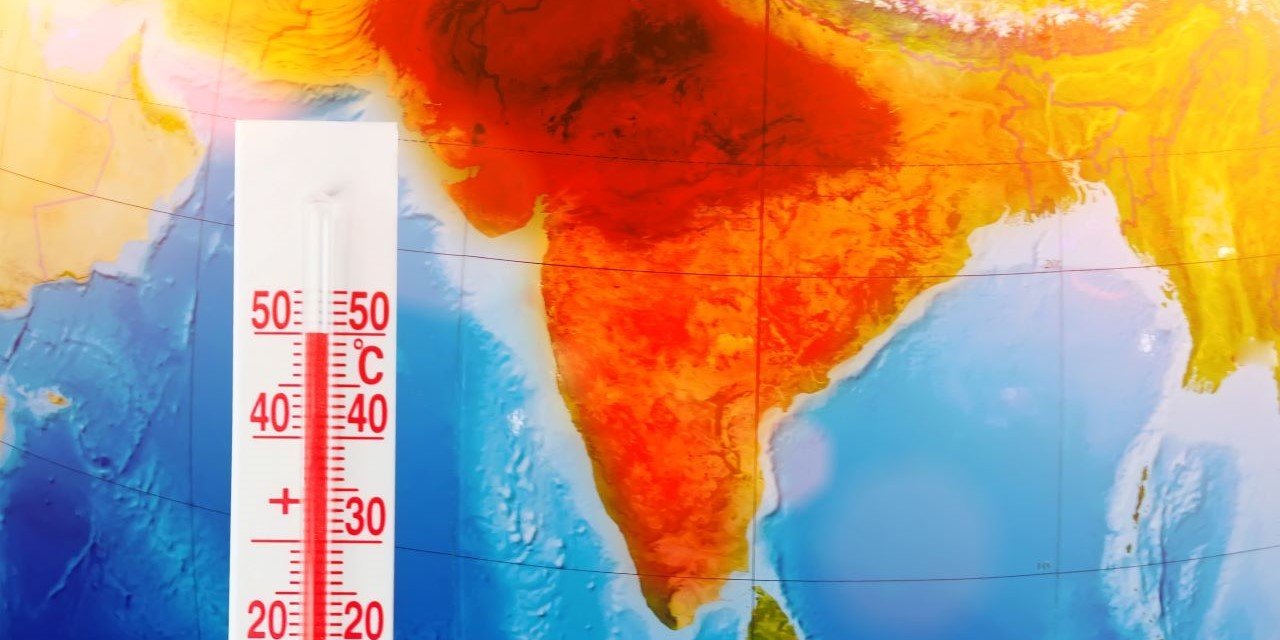
Heatwaves are reshaping daily life in smaller Indian cities as rising temperatures disrupt routines, strain infrastructure, and impact health. Across regions like Maharashtra, Chhattisgarh, and Madhya Pradesh, prolonged heat conditions are forcing residents and authorities to adapt quickly.
Rising Heatwave Frequency in Tier-2 and Tier-3 Cities
Heatwaves in India are no longer limited to peak summer weeks. Over the past few years, smaller cities have experienced longer and more intense heat spells, with temperatures frequently crossing 44 to 46 degrees Celsius in central and northern regions.
The India Meteorological Department has repeatedly issued heatwave alerts for non-metro regions, indicating a clear pattern of rising frequency. Cities that previously saw moderate summers are now facing extreme heat conditions.
This shift is linked to broader climate trends, including changing weather patterns and urban expansion. Smaller cities, often lacking climate-resilient infrastructure, are particularly vulnerable.
The impact is not just environmental. It is altering how people live, work, and move throughout the day.
Changes in Daily Routines and Work Patterns
One of the most visible effects of heatwaves is the change in daily routines. In many smaller cities, outdoor activities are now limited to early morning or late evening hours.
Markets, construction sites, and small businesses are adjusting their operating hours to avoid peak heat periods. Afternoon slowdowns are becoming common as temperatures rise sharply during midday.
For daily wage workers, this shift directly affects income. Reduced working hours mean lower earnings, especially in sectors like construction, delivery, and street vending.
Schools in several regions have also adjusted timings or announced temporary closures during severe heat conditions to protect students.
Impact on Health and Public Safety
Heatwaves are having a significant impact on public health in smaller cities. Cases of dehydration, heat exhaustion, and heatstroke increase during prolonged high-temperature periods.
Hospitals and local clinics report higher patient inflow during heatwaves, particularly among elderly individuals, children, and outdoor workers.
Lack of awareness and limited access to cooling infrastructure such as air conditioning worsen the situation. Many households rely on fans or coolers, which are less effective during extreme heat.
Authorities often issue advisories urging people to stay indoors, drink water, and avoid direct sun exposure. However, implementation at the ground level varies across regions.
Pressure on Water and Power Infrastructure
Heatwaves put additional stress on essential infrastructure, especially water and electricity supply. Demand for water rises sharply as temperatures increase, leading to shortages in some areas.
In several Tier-2 cities, water supply schedules become irregular during peak summer months. Tanker demand increases, adding to household expenses.
Electricity consumption also spikes due to higher usage of fans, coolers, and air conditioners. This can lead to power cuts or load management in areas with limited capacity.
These infrastructure challenges highlight the need for better planning and investment in climate-resilient systems.
Urban Heat Effect in Smaller Cities
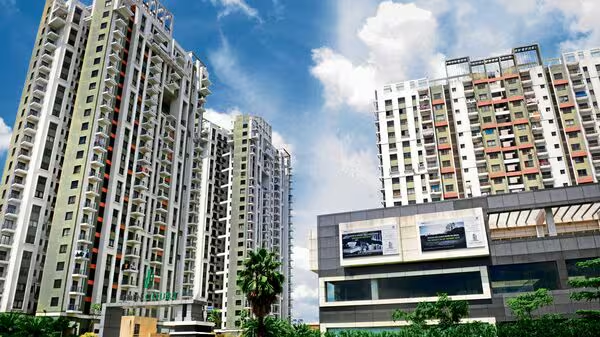
The urban heat island effect, commonly associated with metro cities, is now visible in smaller urban centers as well. Rapid construction, reduced green cover, and increased use of concrete contribute to higher temperatures.
Cities that are expanding quickly often lack adequate urban planning, leading to heat retention and poor ventilation. This makes already high temperatures feel even more intense.
Efforts such as increasing green spaces, improving building design, and promoting reflective materials can help reduce this effect. However, implementation remains limited in many regions.
Government Measures and Local Adaptation Strategies
State and local governments are taking steps to manage heatwave impacts. Heat action plans are being implemented in several cities, focusing on early warnings, public awareness, and emergency response.
Public cooling centers, shaded areas, and water distribution points are being set up in some locations. Schools and workplaces are being advised to adjust schedules during extreme conditions.
Community-level adaptation is also visible. Residents are changing dietary habits, increasing water intake, and using traditional cooling methods such as earthen pots and shaded courtyards.
While these measures provide short-term relief, long-term solutions require coordinated planning and investment.
What This Means for the Future of Smaller Cities
The growing intensity of heatwaves is a clear indicator of how climate change is affecting smaller Indian cities. These regions must adapt quickly to avoid long-term economic and health impacts.
Urban planning, infrastructure upgrades, and public awareness will play a critical role in managing future heat risks. Investments in water management, energy systems, and green spaces are essential.
For residents, adapting to new climate realities will become part of daily life. Behavioral changes, combined with policy support, will determine how effectively cities cope with rising temperatures.
The challenge is significant, but proactive measures can help reduce vulnerability and improve resilience.
Takeaways
• Heatwaves are becoming more frequent and intense in smaller Indian cities
• Daily routines and work patterns are shifting to avoid peak heat hours
• Health risks and infrastructure pressure are increasing during summer months
• Long-term planning and climate adaptation are essential for resilience
FAQs
1. Why are heatwaves increasing in smaller cities?
Climate change, urban expansion, and changing weather patterns are contributing to more frequent and intense heatwaves.
2. How do heatwaves affect daily life?
They alter work schedules, reduce outdoor activity, and increase health risks such as dehydration and heatstroke.
3. What challenges do cities face during heatwaves?
Water shortages, increased power demand, and limited healthcare capacity are common challenges.
4. What can individuals do to stay safe during heatwaves?
Stay hydrated, avoid direct sunlight during peak hours, and follow local advisories for safety.






Leave a comment