

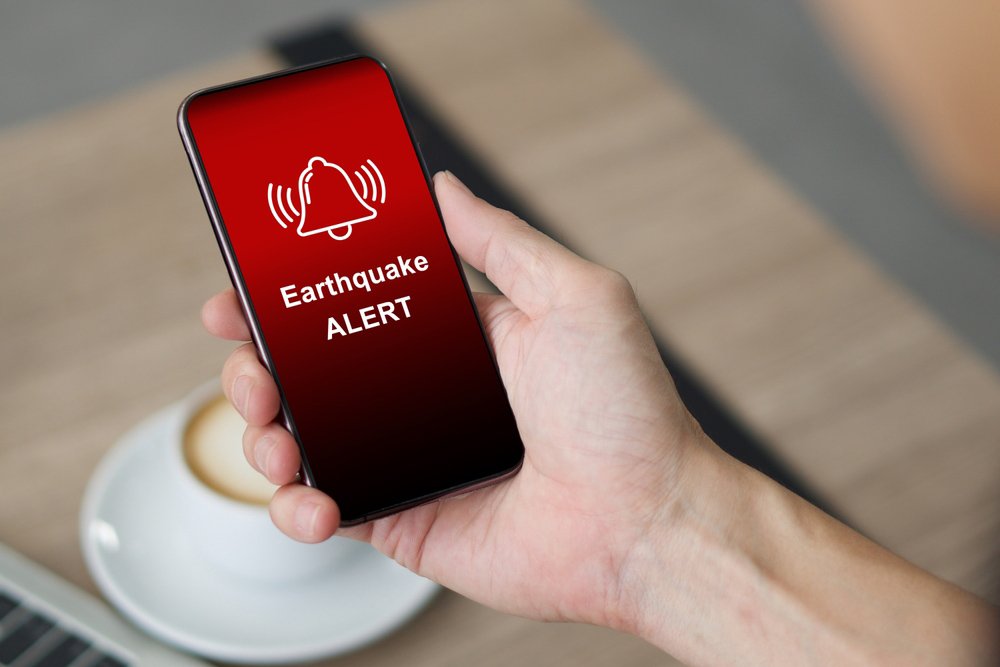
India is testing a nationwide disaster alert system aimed at improving early warnings during emergencies. The move is designed to strengthen communication in rural and semi-urban areas, where timely alerts can significantly reduce risks during natural disasters and extreme weather events.
India Disaster Alert System Test: A Critical Development
The India disaster alert system test is a time-sensitive development, reflecting ongoing efforts to improve disaster preparedness. Authorities have been conducting trial runs of emergency alerts that are sent directly to mobile phones, often accompanied by a loud alarm tone.
These alerts are part of a broader push to create a centralized, technology-driven warning system that can reach people instantly. The system is particularly important in a country like India, which faces frequent natural disasters such as cyclones, floods, heatwaves, and earthquakes.
The testing phase is meant to evaluate how effectively these alerts are delivered across different regions, including areas with weaker network connectivity. Early feedback suggests that while the system is functional, its reach and consistency may vary depending on location and infrastructure.
How the Emergency Alert System Works in India
The emergency alert system in India is based on cell broadcast technology. Unlike regular SMS messages, cell broadcasts can be sent to all mobile devices within a specific geographic area without requiring individual phone numbers.
This allows authorities to send real-time alerts during emergencies, including evacuation instructions, weather warnings, and safety guidelines. The system is designed to work across multiple telecom networks, ensuring broader coverage.
Government agencies, including disaster management authorities and meteorological departments, are responsible for triggering these alerts. The goal is to reduce delays in communication, which can be critical during fast-moving disasters.
However, the effectiveness of such systems depends not only on technology but also on how quickly and accurately information is generated and disseminated.
Challenges in Rural and Semi-Urban Connectivity
One of the biggest concerns regarding the disaster alert system is its performance in rural and semi-urban areas. While mobile penetration in India is high, network quality can still be inconsistent in remote regions.
In many villages and smaller towns, signal strength fluctuates, and internet connectivity is limited. Although cell broadcast does not require internet access, it still depends on stable network infrastructure.
Another issue is device compatibility. Older mobile phones may not fully support advanced alert features, which could limit the reach of critical warnings. Language barriers also play a role, as alerts need to be delivered in regional languages for better understanding.
These factors highlight the need for a system that is adaptable to local conditions rather than relying on a one-size-fits-all approach.
Importance of Early Warning Systems in Disaster Management
Early warning systems are a key component of disaster risk reduction. Countries that have invested in strong alert mechanisms have been able to minimize loss of life during emergencies.
In India, timely alerts can make a significant difference, especially in flood-prone or cyclone-affected regions. For example, advance warnings during cyclones have helped reduce casualties in coastal states over the years.
The expansion of such systems to inland and semi-urban regions is a logical next step. Heatwaves, flash floods, and sudden weather changes are becoming more frequent, making real-time alerts increasingly important.
An effective disaster alert system must be reliable, fast, and easy to understand. It should also be supported by local response mechanisms, such as evacuation plans and emergency services.
Public Awareness and Response Preparedness
Technology alone cannot ensure safety. Public awareness and preparedness play a crucial role in determining the success of any alert system. People need to understand what these alerts mean and how to respond.
In many rural areas, awareness about emergency alerts is still limited. Some users may ignore alerts or fail to recognize their importance. This reduces the overall effectiveness of the system.
Authorities need to conduct awareness campaigns, including mock drills and community training programs. Schools, local bodies, and community leaders can play a key role in spreading awareness.
Clear instructions in alerts, such as where to go or what actions to take, can also improve response rates. The goal is to ensure that alerts lead to immediate and appropriate action.
What Needs Improvement for Better Effectiveness
While the disaster alert system test marks progress, several improvements are necessary for long-term success. Strengthening network infrastructure in rural areas is a priority.
Localization of alerts is another important factor. Messages should be available in multiple regional languages and tailored to specific risks in each area. Integration with local governance systems can also enhance coordination during emergencies.
Regular testing and feedback collection will help identify gaps and improve system performance. Collaboration between government agencies, telecom providers, and local authorities is essential for building a reliable network.
The system must also be scalable, capable of handling large volumes of alerts during widespread disasters without delays.
Takeaways
- India is testing a nationwide disaster alert system using cell broadcast technology
- Rural and semi-urban areas face challenges due to network limitations and device compatibility
- Early warning systems can significantly reduce disaster-related risks if implemented effectively
- Public awareness and infrastructure improvements are key to the system’s success
FAQs
What is the India disaster alert system?
It is a government initiative that sends emergency alerts directly to mobile phones during disasters using cell broadcast technology.
Does the system work without internet?
Yes, it does not require internet access but depends on mobile network connectivity.
Why are rural areas a concern for this system?
Network inconsistencies, older devices, and limited awareness can affect how well alerts are received and understood.
How can people respond to these alerts effectively?
They should read the message carefully, follow instructions, and stay informed about local emergency procedures.









Leave a comment