

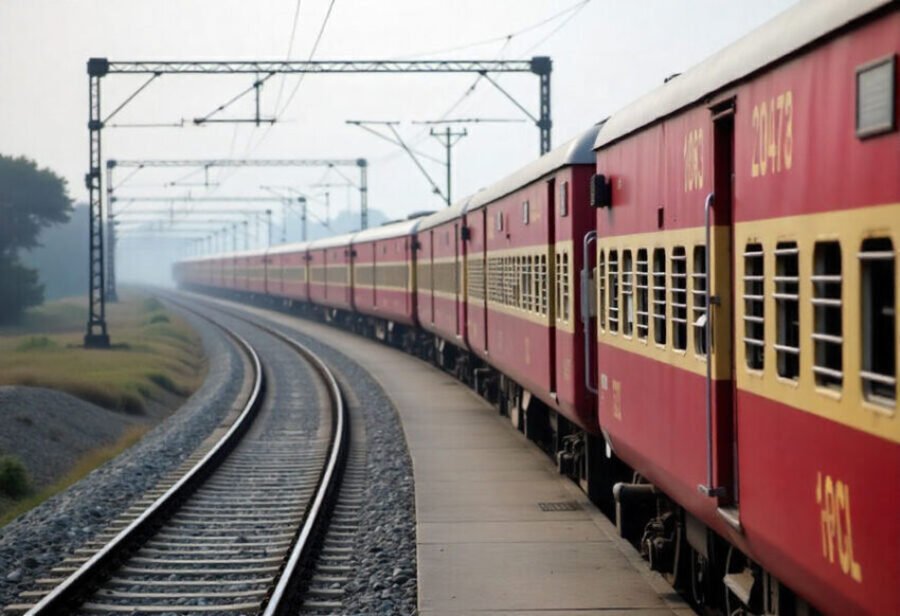
Railway winter travel arrangements are in sharp focus as Indian Railways prepares for a seasonal surge in passengers from Tier 2 cities during the holiday period. With year end travel peaking across northern, central, and western India, rail authorities have rolled out operational measures to manage crowds, improve punctuality, and reduce congestion.
The holiday season typically sees increased movement of migrant workers, students, tourists, and families returning home. This year, demand from Tier 2 cities has grown faster than metro routes, pushing the railways to recalibrate capacity and logistics at the regional level.
Why Winter Travel Pressure Is Higher This Season
Winter travel demand has intensified due to a combination of school vacations, festival spillover, and improved rail connectivity to non metro regions. Tier 2 cities such as Prayagraj, Gwalior, Jabalpur, Ajmer, Udaipur, Hubballi, and Guntur are seeing higher outbound and inbound passenger volumes compared to previous years.
Railway data indicates that reserved ticket bookings for December and early January peak earlier from Tier 2 stations than metros. This trend is driven by greater dependence on rail travel in these cities, limited flight options, and affordability concerns.
Weather related disruptions in northern India further increase reliance on trains, as fog often affects road and air transport more severely than rail operations.
Additional Trains and Capacity Augmentation Measures
Indian Railways has introduced additional special trains and extended services on high demand routes connecting Tier 2 cities with metros and state capitals. Coaches are being added to existing express and superfast trains where platform length and rake availability permit.
Several passenger trains have been temporarily upgraded with additional sleeper and general class coaches to absorb unreserved travel pressure. This is particularly relevant for routes connecting Uttar Pradesh, Bihar, Madhya Pradesh, Rajasthan, and parts of Maharashtra.
Railway officials have prioritised routes with historically high waitlist numbers during winter months, using booking data to dynamically adjust capacity rather than relying solely on static timetables.
Station Level Crowd Management in Tier Two Cities
Crowd management at Tier 2 railway stations has become a major operational focus. Authorities have deployed additional Railway Protection Force personnel at key junctions to manage queues, regulate platform access, and prevent overcrowding.
Temporary holding areas and staggered platform entry systems are being used at busy stations during peak hours. Public announcement systems have been strengthened to provide real time updates on train arrivals, delays, and platform changes.
In several cities, commercial activities on platforms are being regulated to keep walking paths clear, especially during late evening and early morning departure windows.
Ticketing, Waitlists, and Passenger Advisory Systems
To address heavy booking demand, railways are actively monitoring waitlist trends and converting eligible trains to special services where feasible. Passengers are being encouraged to check booking probability indicators and avoid last minute travel without confirmed tickets.
Digital ticketing platforms are playing a larger role this season. Mobile alerts, SMS updates, and app based notifications are being used to inform passengers about schedule changes and coach positions.
Authorities have also cautioned travellers against unauthorised agents, particularly in Tier 2 cities where offline booking demand spikes during holidays.
Onboard Services and Winter Specific Preparations
Winter operations require additional onboard arrangements. Heating systems in select long distance trains have been checked, and water supply systems are being monitored to prevent freezing in colder regions.
Cleaning schedules have been intensified on trains originating from high volume Tier 2 stations. Catering contracts have been instructed to ensure availability of hot meals and beverages on long haul winter routes.
Train crews are being briefed on fog related driving protocols, including reduced speeds and enhanced signalling coordination to maintain safety without excessive delays.
Challenges That Still Remain
Despite preparations, challenges persist. Fog induced delays in northern India remain difficult to eliminate entirely. Platform congestion at older Tier 2 stations with limited infrastructure can still create bottlenecks during peak departures.
Railway officials acknowledge that demand often exceeds even enhanced capacity during the final week of December. Coordination between zones is crucial to avoid cascading delays when one section faces disruption.
However, compared to previous years, the focus on Tier 2 cities represents a shift toward more balanced national travel planning.
What Passengers Should Expect Going Forward
Passengers travelling from Tier 2 cities this winter can expect higher train frequency, better communication, and visible crowd management efforts. However, flexibility remains essential due to weather and operational constraints.
Advance booking, adherence to official advisories, and timely arrival at stations will help ensure smoother journeys. The railways have indicated that adjustments will continue throughout the season based on real time demand patterns.
The winter travel push underscores the growing importance of Tier 2 cities in India’s passenger rail ecosystem and the need for continued investment beyond metropolitan corridors.
Takeaways
- Indian Railways has prioritised Tier 2 cities for winter holiday travel planning
- Additional trains and coaches are being deployed on high demand routes
- Station level crowd management has been strengthened
- Fog and infrastructure limitations remain key challenges
FAQs
Why is winter travel demand higher in Tier 2 cities?
Rail dependence, holiday travel, and limited alternative transport options drive higher demand.
Are extra trains being run from Tier 2 stations?
Yes, special trains and added coaches are being introduced on select routes.
How are stations managing large crowds?
Additional security staff, controlled platform access, and better announcements are being used.
Will fog cause major delays this winter?
Fog may still cause delays, but safety protocols aim to minimise disruptions.







Leave a comment