


The growing anticipation around Gram Chikitsalay Season 2 highlights a larger trend in Indian entertainment. Rural stories are attracting audiences across cities and towns because they offer authenticity, relatable characters, local humor, and a deeper connection to everyday life that many viewers feel is missing in conventional urban-centric content.
Gram Chikitsalay Season 2 Reflects a Bigger Content Shift
The discussion around Gram Chikitsalay Season 2 is not just about the return of a popular series. It also reflects a significant change in audience preferences across India’s OTT landscape.
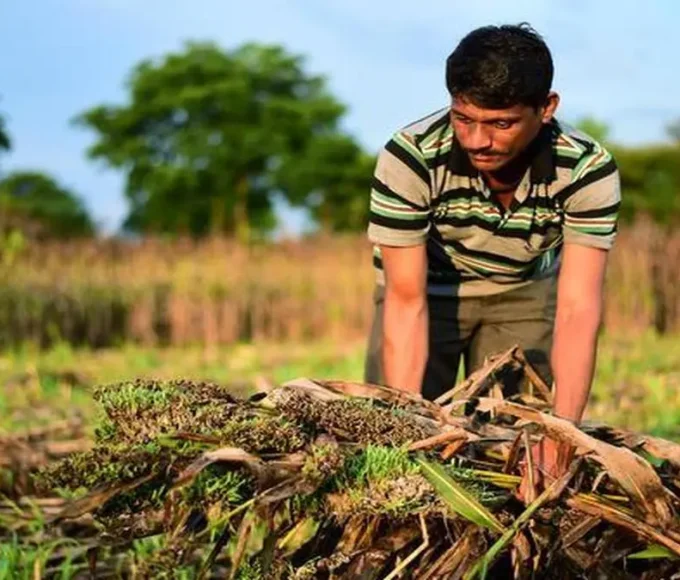
Over the last few years, rural and small-town stories have become some of the most successful projects on streaming platforms. Shows set in villages and district towns are no longer considered niche entertainment. Instead, they are attracting viewers from metropolitan cities, Tier-2 towns, and rural regions alike.
This trend can be seen in the popularity of series that focus on local governance, community relationships, education, healthcare, and social change. Gram Chikitsalay follows a similar approach by placing everyday rural realities at the center of its narrative.
Rather than relying on high-budget action sequences or glamorous settings, such stories succeed because they feel genuine and emotionally grounded.
The Appeal of Authentic Rural Characters
One major reason rural stories resonate with viewers is the authenticity of their characters.
Many Indian audiences have grown up in villages or have family connections to smaller towns. Even urban viewers often recognize familiar personalities, cultural habits, and social dynamics in these shows.
Characters in rural dramas are typically portrayed as complex individuals rather than stereotypes. They face challenges related to healthcare, education, employment, bureaucracy, and family expectations. These issues are relevant to millions of Indians.
In Gram Chikitsalay, the setting itself becomes an important character. Local customs, community interactions, and everyday struggles contribute to the storytelling in a way that feels realistic rather than exaggerated.
This authenticity helps audiences build a stronger emotional connection with the narrative.
OTT Platforms Have Expanded the Audience for Rural Content
The rise of streaming platforms has played a crucial role in the success of rural storytelling.
Traditional television networks often focused on content designed for mass appeal, while theatrical releases typically favored urban narratives or large-scale commercial productions. OTT platforms changed that equation.
Streaming services now cater to diverse audience segments. This allows creators to tell stories rooted in specific regions, cultures, and communities without worrying about fitting conventional industry formulas.
As internet penetration continues to grow across India, viewers from smaller towns have also become active consumers of digital entertainment. Their preferences increasingly influence content decisions.
This shift has encouraged producers and writers to invest in stories that reflect life beyond major metropolitan centers.
Why Small-Town Narratives Feel More Relatable
Relatability is one of the strongest factors behind the popularity of rural stories.
Many viewers see aspects of their own experiences reflected in these narratives. Issues such as access to public services, local politics, family relationships, and community expectations are familiar across large parts of India.
Unlike some urban dramas that focus on highly privileged lifestyles, rural and small-town stories often explore everyday realities. This creates a sense of emotional honesty that audiences appreciate.
Humor also plays a key role. Rural series frequently draw from local dialects, cultural nuances, and social situations that feel organic rather than scripted. The comedy emerges naturally from the environment and characters.
As a result, viewers often find these stories more engaging and memorable.
Regional Representation Is Becoming More Important
Indian audiences are increasingly seeking content that reflects the country’s cultural diversity.
For decades, mainstream entertainment was heavily concentrated around a few urban settings. Today’s viewers, however, are interested in stories from different regions, languages, and social backgrounds.
Rural narratives contribute to this broader representation by showcasing local traditions, customs, and perspectives that are often overlooked.
Shows such as Gram Chikitsalay help bring attention to issues affecting communities outside major cities while also celebrating the strengths and resilience of those communities.
This balance between realism and entertainment makes rural storytelling appealing to a wide audience base.
The Future of Rural Storytelling in India
The success of rural-focused content suggests that this trend is likely to continue.
As streaming platforms compete for viewers, demand for distinctive and authentic narratives is expected to grow. Rural stories offer rich storytelling opportunities because they explore social change, generational differences, governance challenges, healthcare access, and community life through a uniquely Indian lens.
For creators, these settings provide fresh perspectives that stand out in a crowded entertainment market.
Whether Gram Chikitsalay Season 2 achieves the same success as its predecessor or not, its relevance lies in a larger movement within Indian entertainment. Audiences are increasingly rewarding stories that reflect real lives, local cultures, and relatable human experiences.
The continued rise of rural narratives shows that compelling storytelling does not depend on grand settings. It depends on authenticity, emotional depth, and characters that audiences genuinely care about.
Key Takeaways
- Rural and small-town stories are gaining popularity across India’s OTT platforms.
- Authentic characters and relatable situations help audiences connect with these narratives.
- Streaming services have created more opportunities for regionally rooted storytelling.
- Cultural representation and emotional realism are driving long-term audience interest.
FAQ
Why are rural stories becoming popular in India?
Rural stories often feature relatable characters, authentic settings, and real-life challenges that resonate with audiences across different regions.
What makes Gram Chikitsalay different from typical OTT dramas?
The series focuses on healthcare, community life, and rural realities instead of relying on glamour, action, or urban-centric narratives.
How have OTT platforms helped rural content succeed?
Streaming platforms allow creators to target diverse audiences and experiment with stories that may not fit traditional television or film formats.
Will more rural-based web series be produced in the future?
Industry trends suggest that demand for authentic regional stories is growing, making rural and small-town narratives an important part of India’s entertainment landscape.
(Internal Keywords: Gram Chikitsalay Season 2, rural stories in India, OTT rural content, Indian web series, small-town narratives, village-based web series, Indian streaming trends, rural entertainment, regional storytelling India, OTT audience preferences)









Leave a comment