

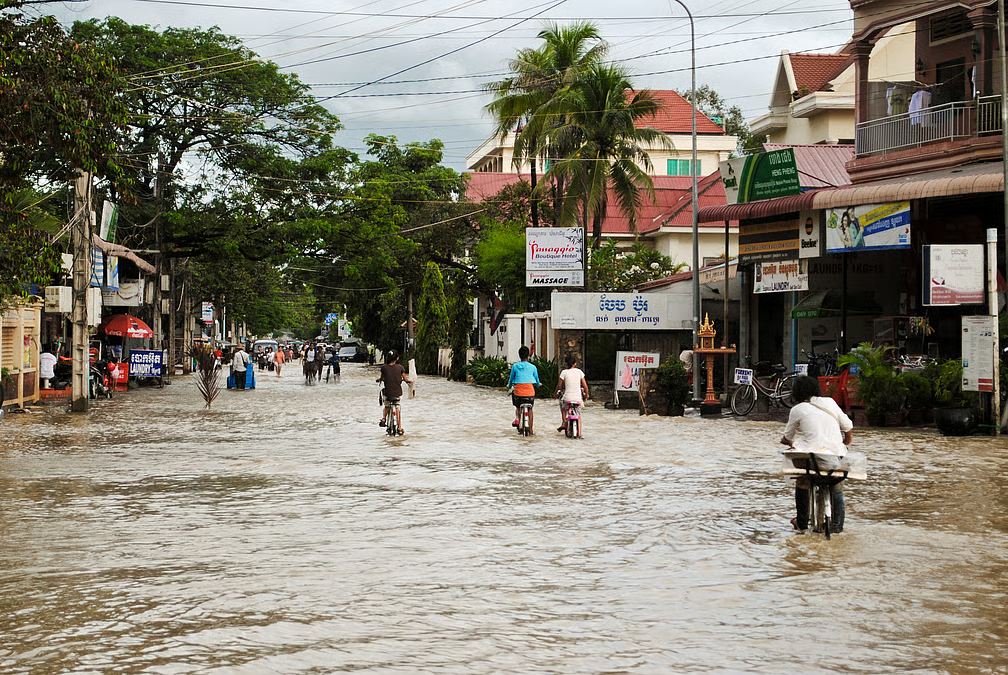
As monsoon rainfall becomes increasingly unpredictable, smaller Indian cities are investing in better disaster preparedness. Improved drainage systems, early warning technology, emergency response plans and community participation are helping Tier 2 and Tier 3 cities reduce the impact of floods and extreme weather.
Why smaller Indian cities are investing more in disaster preparedness during the monsoon has become an important question as extreme rainfall events affect regions beyond India’s major metropolitan areas. Cities that once experienced only occasional flooding are now facing more frequent waterlogging, overflowing rivers and infrastructure disruptions. In response, municipal authorities across Tier 2 and Tier 3 cities are expanding disaster management plans, upgrading drainage networks and improving emergency response systems to protect lives and property.
Climate Change and Urban Growth Are Increasing Flood Risks
India’s southwest monsoon remains essential for agriculture and water resources, but changing rainfall patterns have created new challenges for urban areas. Instead of steady seasonal rainfall, many cities are experiencing short periods of extremely heavy rain that overwhelm existing drainage infrastructure.
Rapid urbanisation has added to the problem. Roads, commercial complexes and residential developments have replaced open land that once absorbed rainwater naturally. In many cities, natural drainage channels have narrowed or become blocked, increasing the risk of urban flooding.
Smaller cities that previously faced limited flooding are now recognising the need to prepare for weather events that are becoming more intense and less predictable.
Better Drainage Infrastructure Is Becoming a Priority
One of the first areas receiving attention is stormwater drainage.
Municipal corporations are widening drains, cleaning existing drainage networks before the monsoon season and constructing new channels in flood-prone neighbourhoods. Regular desilting of drains has also become an important pre-monsoon activity in many districts.
Authorities are increasingly mapping waterlogging hotspots based on previous monsoon seasons. These locations receive additional monitoring and preventive maintenance before heavy rainfall begins.
Although infrastructure upgrades require significant investment, local governments view them as long-term measures that reduce economic losses caused by repeated flooding.
Early Warning Systems Are Improving Emergency Response
Technology is playing a larger role in disaster preparedness across smaller cities.
Weather forecasts from the India Meteorological Department are now being integrated into local disaster management systems, allowing district administrations to issue warnings before heavy rainfall occurs. Mobile alerts, social media updates, local television broadcasts and public announcement systems help residents prepare for severe weather.
Many district administrations also operate emergency control rooms during the monsoon season to coordinate rescue teams, monitor rainfall and respond quickly to incidents such as flooded roads, fallen trees and power outages.
Early warnings provide valuable time for schools, businesses and residents to take preventive action before weather conditions worsen.
Disaster Preparedness Now Extends Beyond Government Agencies
Monsoon preparedness is no longer limited to municipal authorities alone. Community participation has become an important part of disaster risk reduction.
Resident welfare associations, volunteers, educational institutions and local non-governmental organisations frequently assist in awareness campaigns, emergency drills and relief activities.
Many cities encourage citizens to report blocked drains, damaged roads and waterlogging through mobile applications or municipal helplines. These reports help authorities respond more quickly while improving overall preparedness.
Public awareness campaigns also educate residents about avoiding flooded roads, protecting electrical equipment, storing emergency supplies and following official weather advisories during severe rainfall.
Investments Today Can Reduce Future Losses
The financial cost of disaster preparedness may appear high initially, but experts widely agree that preventive investment is more economical than post-disaster recovery.
Flooding damages roads, bridges, homes, public utilities, businesses and transportation networks. Schools and hospitals can also experience service disruptions during severe weather events.
By investing in drainage improvements, emergency response equipment and weather monitoring systems, cities reduce both economic losses and risks to public safety.
Several state governments have also strengthened district disaster management authorities, ensuring that rescue teams, medical services and essential supplies can be mobilised more efficiently during emergencies.
Tier 2 and Tier 3 Cities Are Becoming More Resilient
Smaller Indian cities are increasingly recognising that disaster preparedness is an essential part of urban planning rather than a seasonal activity.
As populations grow and climate-related challenges become more frequent, investments in resilient infrastructure, digital warning systems and community awareness are expected to continue.
While no city can completely eliminate the effects of extreme weather, stronger planning significantly improves the ability to respond, recover and minimise disruption.
The growing emphasis on preparedness demonstrates that disaster management is shifting from reactive relief efforts to proactive risk reduction. For millions of residents living in Tier 2 and Tier 3 cities, this transition could improve safety, reduce economic losses and strengthen confidence during every monsoon season.
Key Takeaways
- Smaller Indian cities are strengthening disaster preparedness due to increasingly unpredictable monsoon rainfall.
- Drainage improvements, flood mapping and infrastructure upgrades are helping reduce waterlogging risks.
- Early warning systems and improved emergency coordination allow faster responses during severe weather.
- Community participation and long-term planning are making Tier 2 and Tier 3 cities more resilient.
FAQs
Q1. Why are smaller Indian cities investing more in disaster preparedness?
Increasingly intense rainfall, rapid urbanisation and recurring flood events have highlighted the need for stronger disaster management systems.
Q2. What measures are cities taking before the monsoon?
Common initiatives include cleaning stormwater drains, upgrading drainage infrastructure, identifying flood-prone areas, establishing emergency control rooms and issuing public awareness campaigns.
Q3. How do early warning systems help during heavy rainfall?
Weather alerts provide advance notice that allows authorities and residents to prepare, reducing risks to life and property.
Q4. Can disaster preparedness completely prevent urban flooding?
No. However, effective planning, resilient infrastructure and timely emergency response can significantly reduce damage and improve public safety.
(Internal Keyword Suggestions: monsoon disaster preparedness India, Tier 2 city flood management, urban flooding India, disaster management during monsoon, monsoon preparedness, India Meteorological Department alerts, resilient cities India, drainage infrastructure India, flood prevention measures, climate resilience Indian cities)











Leave a comment