

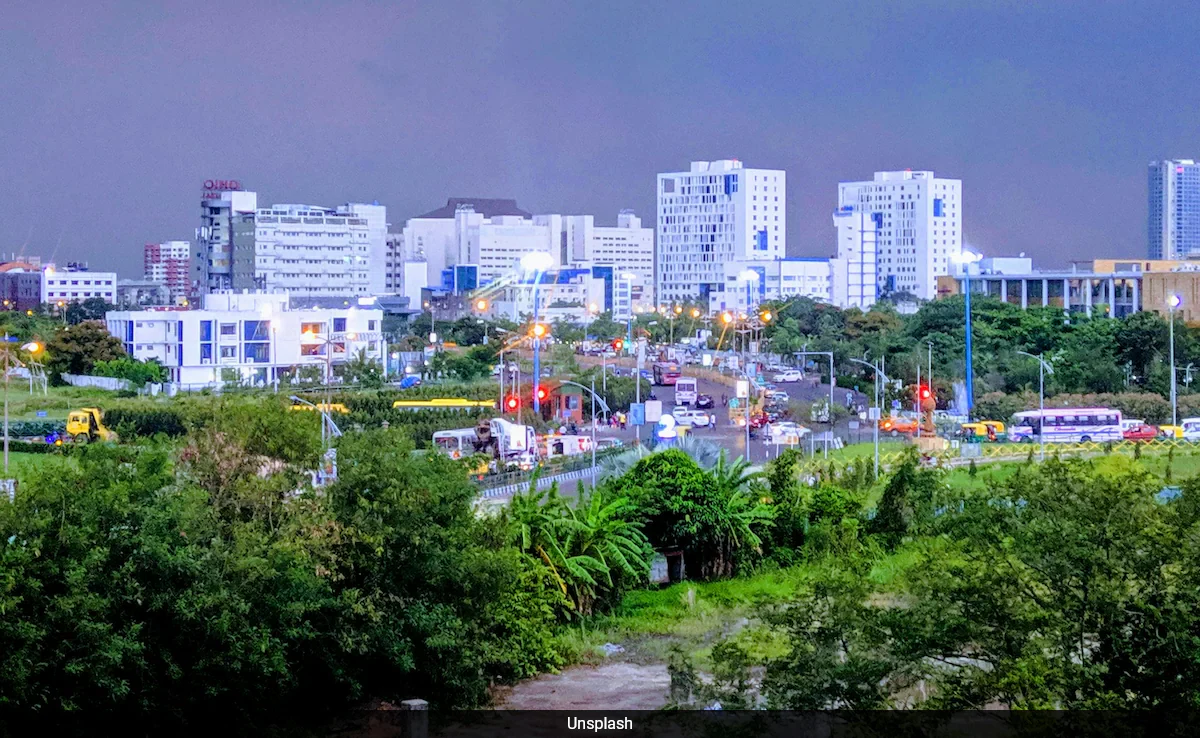
India’s Tier-2 cities are witnessing a major shift as young professionals move back from crowded metros after years of burnout, rising living costs, and work-life imbalance. Better infrastructure, remote jobs, and digital opportunities are making smaller cities more attractive than ever before.
Metro Burnout Is Changing Career and Lifestyle Choices
For years, cities like Mumbai, Bengaluru, Delhi, and Hyderabad were seen as the ultimate destinations for career growth. Young professionals moved to metros in large numbers hoping for better salaries, faster promotions, and improved lifestyles. However, the reality of metro life has started pushing many people in the opposite direction.
Long commute hours, expensive rent, rising daily expenses, and increasing work pressure have created a growing sense of burnout among working professionals. Many employees spend three to four hours daily in traffic while balancing demanding work schedules. Over time, this lifestyle has affected mental health, productivity, and personal relationships.
The shift became more noticeable after the pandemic when remote and hybrid work models became common across industries. Employees realized they no longer needed to stay in expensive metros to maintain successful careers. As a result, many started returning to Tier-2 cities such as Nagpur, Indore, Jaipur, Surat, Kochi, Chandigarh, and Lucknow.
Remote Work Has Made Tier-2 Cities More Practical
One of the biggest reasons behind this migration trend is the growth of remote work in India. IT firms, startups, digital agencies, consulting companies, and content businesses now allow employees to work from anywhere for at least part of the week.
This flexibility has completely changed how young professionals think about location and career planning. Instead of paying high rents in metro cities, many employees are choosing to live closer to family in smaller cities where the cost of living is significantly lower.
A professional earning the same salary can save far more in a Tier-2 city compared to Mumbai or Bengaluru. Rent, transportation, food, and daily expenses are often 40 to 60 percent lower. This financial relief allows people to focus on savings, investments, and long-term stability.
Many Tier-2 cities have also improved rapidly in terms of internet connectivity, co-working spaces, healthcare, cafes, shopping centers, and airport access. What once felt like smaller towns are now developing into modern urban centers capable of supporting digital careers.
Quality of Life Is Becoming More Important Than Salary
Another important factor behind the return to Tier-2 cities is the changing mindset of millennials and Gen Z professionals. Younger workers are now prioritizing work-life balance, flexibility, mental wellness, and personal freedom over traditional corporate lifestyles.
In metro cities, high salaries often come with equally high stress. Many professionals eventually realize that a larger paycheck does not always lead to a better quality of life. Smaller cities offer slower routines, cleaner environments, reduced travel stress, and stronger social connections.
Living near family has also become a major advantage, especially for working couples and young parents. Childcare support, emotional stability, and lower living pressure are encouraging many families to settle outside metro regions.
This trend is particularly visible among professionals working in technology, marketing, content creation, finance, education, and e-commerce sectors where remote work opportunities continue to grow.
Tier-2 Cities Are Becoming New Economic Hubs
The return of skilled professionals is also helping Tier-2 cities grow economically. Many returning workers are launching startups, freelancing businesses, creator brands, digital agencies, and local service companies from their hometowns.
Cities like Indore and Jaipur have already emerged as startup-friendly locations with growing entrepreneurial ecosystems. Nagpur and Surat are also seeing increased interest from technology firms and logistics companies because of lower operational costs and better regional connectivity.
The rise of digital payments, online education, e-commerce, and AI-based work tools has reduced the dependency on physical office spaces. Skilled professionals can now work with global clients while living in smaller Indian cities.
Experts believe this migration pattern could reshape India’s urban economy in the coming decade. Instead of concentrating talent only in metros, the workforce is becoming more distributed across multiple cities.
Challenges Still Exist in Smaller Cities
Despite the advantages, Tier-2 cities still face some limitations. Public transport systems are not equally developed everywhere, and certain industries continue to prefer metro-based offices for senior roles.
Networking opportunities, large-scale entertainment options, and international exposure may also remain stronger in major metros. Some professionals eventually return to bigger cities for faster career advancement.
However, improving infrastructure and digital growth are slowly reducing this gap. Government investments in smart cities, highways, airports, and internet infrastructure are helping smaller cities become more competitive.
For many young professionals today, the decision is no longer only about career growth. It is increasingly about sustainability, peace of mind, financial control, and overall lifestyle satisfaction.
Key Takeaways
- Rising burnout and high living costs are pushing professionals away from metro cities
- Remote work has made Tier-2 cities more practical for digital careers
- Young workers now value work-life balance more than traditional corporate lifestyles
- Smaller cities are emerging as important startup and economic growth hubs
FAQs
Why are professionals leaving metro cities in India?
Many professionals are leaving metros due to burnout, long commute hours, high rent, and increasing work pressure. Remote work options have made relocation easier.
Which Tier-2 cities are attracting young professionals?
Cities like Nagpur, Indore, Jaipur, Surat, Kochi, Chandigarh, and Lucknow are becoming popular among returning professionals.
Is remote work the main reason behind this trend?
Remote and hybrid work models are one of the biggest reasons because employees can now work from smaller cities without affecting their careers.
Are Tier-2 cities becoming startup hubs?
Yes. Lower operational costs, growing digital infrastructure, and improving urban development are helping Tier-2 cities attract startups and entrepreneurs.











Leave a comment