

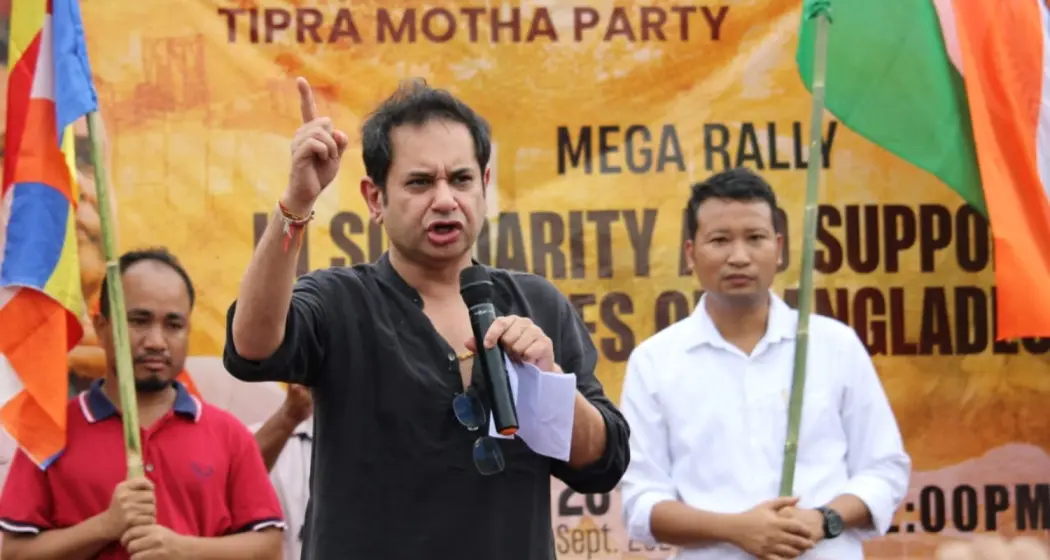
The Tripura Tribal Council election results have once again highlighted the growing strength of regional parties in the Northeast. The outcome reflects changing voter priorities, identity politics, and the increasing influence of local issues over national narratives in the region.
The Tripura Tribal Council election results have emerged as a key political development with implications beyond the state. Elections to the Tripura Tribal Areas Autonomous District Council are closely watched because they represent the political voice of tribal communities, which form a significant portion of Tripura’s population. The latest results indicate a continued shift towards regional forces, reinforcing a broader trend seen across several Northeastern states.
Regional Parties Gain Ground in TTAADC Elections
The outcome of the Tripura Tribal Council elections shows regional parties strengthening their hold among tribal voters. In previous election cycles, alliances involving national parties had managed to make inroads. However, recent results suggest a renewed preference for parties that focus specifically on indigenous identity, land rights, and autonomy.
The rise of regional outfits in the council is not an isolated event. It aligns with developments in states like Nagaland and Meghalaya, where local parties dominate political discourse. Voters in tribal regions often prioritize issues such as cultural preservation, administrative autonomy, and direct welfare delivery over broader national agendas.
This trend reflects a deeper political reality. Regional parties are seen as more accessible and responsive to grassroots concerns, especially in geographically and culturally distinct areas.
Identity Politics and Tribal Representation in Northeast India
Identity politics continues to play a central role in shaping electoral outcomes in Tripura and the wider Northeast. Tribal communities have long sought greater political and administrative control over their regions. The TTAADC, established under the Sixth Schedule of the Constitution, provides a degree of self-governance, making its elections highly significant.
The recent results indicate that voters are consolidating behind parties that promise stronger safeguards for tribal land and culture. Issues such as land ownership laws, language preservation, and local governance structures remain central to campaign narratives.
At the same time, the demand for greater autonomy has not diminished. Some regional groups continue to advocate for enhanced powers or even separate statehood arrangements, which keeps identity politics at the forefront of electoral strategies.
Impact on National Parties and Electoral Strategy
The rise of regional parties in the Tripura Tribal Council elections poses a strategic challenge for national parties like the Bharatiya Janata Party and the Indian National Congress. While these parties maintain influence at the state and national levels, their ability to connect with tribal voters is increasingly being tested.
National parties may need to recalibrate their approach by forming alliances with local groups or by amplifying region-specific issues in their campaigns. The results also suggest that centralized messaging may not be sufficient in areas where local identity and governance concerns dominate voter decisions.
For upcoming state and parliamentary elections, this could translate into more coalition-driven politics. Regional parties could emerge as key power brokers, influencing government formation and policy direction.
Governance, Development, and Local Expectations
One of the critical questions following the election results is whether regional parties can translate electoral success into effective governance. Tribal areas in Tripura continue to face challenges related to infrastructure, healthcare, education, and employment.
Voters have shown trust in regional leadership, but expectations are high. Delivering tangible improvements while balancing demands for autonomy will be a key test. The performance of the council in the coming years could shape future electoral outcomes and determine whether the current trend continues.
There is also a growing emphasis on development that respects local identity. Projects related to connectivity, tourism, and livelihood generation are likely to be evaluated not just on economic impact but also on cultural sensitivity.
What This Means for Northeast Politics Going Forward
The Tripura Tribal Council election results reinforce a broader shift in Northeast politics towards decentralization and regional assertion. Similar patterns have been observed in other states where local parties have either dominated or played decisive roles in governance.
This shift does not necessarily weaken national parties, but it changes the political equation. Power is becoming more distributed, and regional voices are gaining greater influence in shaping policy decisions.
For the Northeast as a whole, this could lead to more tailored governance models that reflect the diversity of the region. However, it also requires careful coordination between state, regional, and central authorities to ensure policy alignment and effective implementation.
Takeaways
- Tripura Tribal Council results highlight the growing strength of regional parties
- Identity politics and tribal issues remain central to voter decisions
- National parties may need alliances to stay relevant in tribal regions
- Governance delivery will determine whether regional dominance sustains
FAQs
What is the Tripura Tribal Areas Autonomous District Council?
It is a governing body that administers tribal areas in Tripura under the Sixth Schedule, providing a degree of autonomy.
Why are these election results important?
They reflect political trends among tribal communities and influence broader Northeast political dynamics.
How do these results affect national parties?
National parties may need to adjust strategies and collaborate with regional players to maintain influence.
Will regional parties continue to grow in the Northeast?
Current trends suggest continued growth, especially where local identity and governance issues dominate.







Leave a comment