

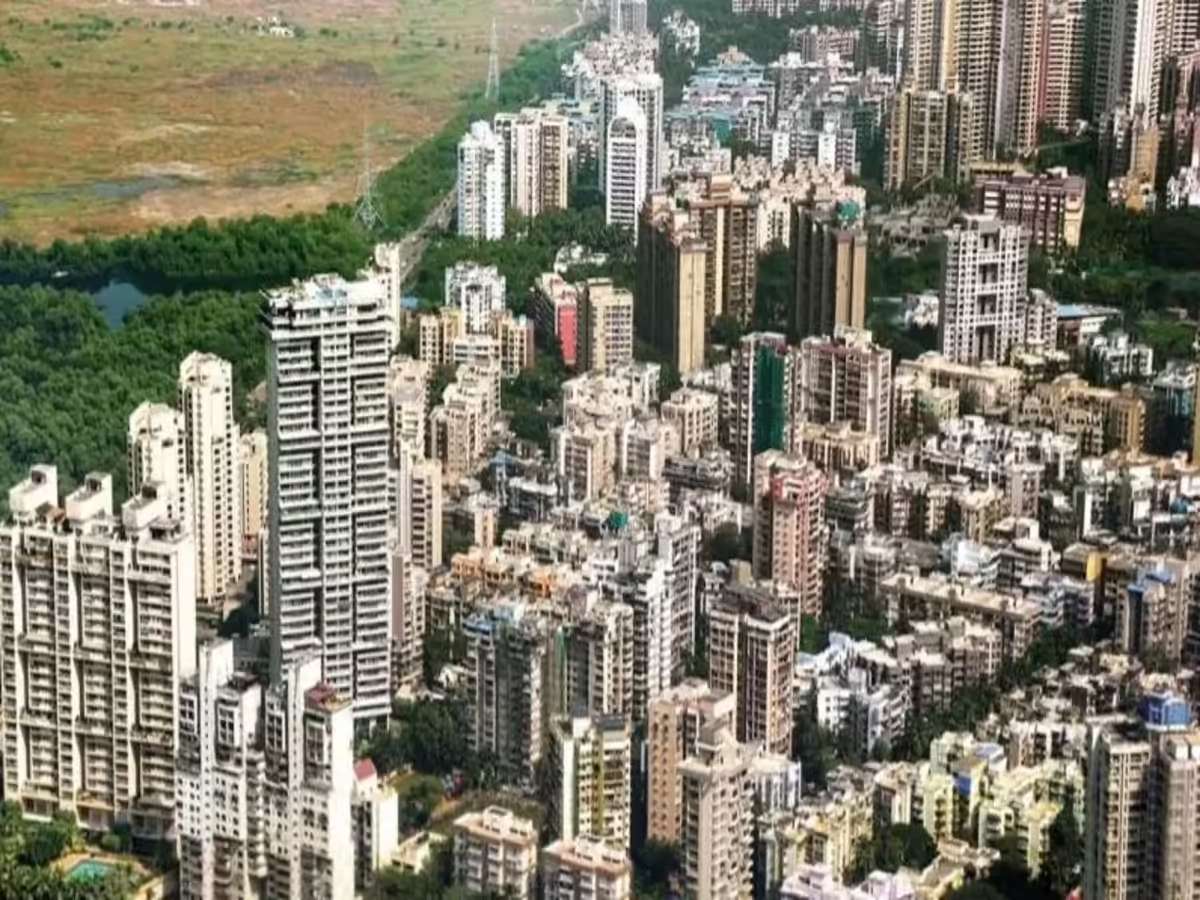
India’s real estate map is being redrawn by the government’s strategic introduction of City Economic Regions (CERs). These clusters, supported by a ₹5,000 crore allocation per region, are designed to create self-sustaining urban ecosystems. Unlike the haphazard expansion seen in Tier-1 metros, these new growth clusters are built on a “plug-and-play” model. This approach ensures that industrial, commercial, and residential sectors are integrated with ready-to-use digital and physical infrastructure. By 2027, these regions will act as magnets for Global Capability Centres (GCCs) and domestic startups, fundamentally altering land demand in previously overlooked geographies.
Infrastructure as the Catalyst for Real Estate Appreciation
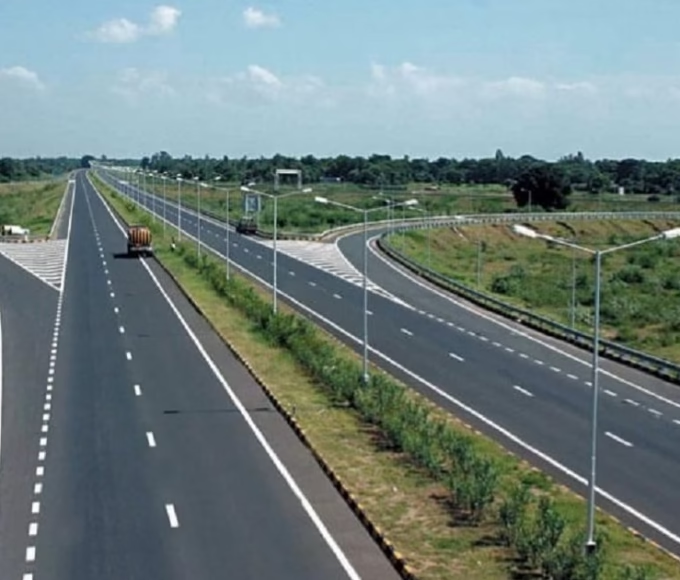
The expansion of high-speed rail and expressways is the most significant physical driver of this shift. Corridors like Delhi-Varanasi and Mumbai-Pune are effectively expanding the “commutable zone,” allowing satellite towns to thrive. As connectivity improves, the “time-distance” between Tier-2 clusters and major economic hubs shrinks, leading to a surge in residential demand. Experts predict that property prices in specific clusters along these corridors could see a 12% to 15% annual appreciation leading up to 2027. This infrastructure push is not just about roads; it includes the modernization of 200 legacy industrial clusters, which will revitalize local economies and spur demand for Grade-A warehousing.
The Reverse Migration of Talent and Corporate Offices
A critical factor changing the real estate map is the movement of India’s tech workforce. The rise of hybrid work and the high cost of living in Bengaluru or Mumbai have prompted a “reverse migration” to cities like Jaipur, Nagpur, and Ahmedabad. These Tier-2 hubs offer a higher quality of life at a fraction of the cost, making them attractive for young professionals and families. Developers are responding by launching “premium global enclaves”—high-end residential projects that offer metro-level amenities in mid-sized cities. This influx of high-income earners is creating a secondary boom in retail and hospitality real estate, transforming quiet towns into vibrant lifestyle destinations.
Manufacturing and Deeptech Hubs Driving Commercial Demand
The “Make in India” initiative, specifically in sectors like semiconductors and biopharma, is creating specialized industrial clusters in Tier-2 regions. Projects like the India Semiconductor Mission 2.0 and the establishment of dedicated Rare Earth Corridors are turning cities in Odisha, Andhra Pradesh, and Tamil Nadu into manufacturing powerhouses. This industrialization generates a massive requirement for specialized commercial spaces, including data centers and R&D labs. By 2027, these manufacturing-led growth clusters will likely contribute a significantly larger share to the national GDP, making industrial land in these pockets one of the most lucrative asset classes for institutional investors.
Strategic Urban Planning and the End of Metro Saturated Markets
The shift toward Tier-2 cities is also a necessity born from the saturation of Tier-1 markets. With land availability hitting a ceiling in primary hubs, developers are pivoting toward planned townships in emerging cities. These projects are often more sustainable, featuring better green cover and smarter waste management systems than their older metro counterparts. The 2027 outlook suggests a balanced urban growth model where Tier-2 cities take the pressure off megacities. This decentralization not only stabilizes property prices in metros but also ensures that the “next billion” Indians have access to affordable, high-quality housing in burgeoning economic zones.
Takeaways for Real Estate Investors
- The government’s ₹35,000 crore investment in City Economic Regions will be the primary driver of property value in Tier-2 hubs through 2027.
- Industrial and warehousing real estate in manufacturing clusters is expected to offer higher rental yields than traditional residential investments in metros.
- High-speed rail corridors are creating new “commuter towns” where land prices are projected to double within the next three to four years.
- The “Premium Global Enclave” trend is the most promising segment for developers catering to the returning NRI and tech-professional demographic.
Frequently Asked Questions
Which Tier-2 cities are expected to show the highest growth by 2027?
Cities like Lucknow, Indore, Ahmedabad, and Coimbatore are currently leading the pack due to their robust infrastructure, connectivity to major expressways, and growing IT and manufacturing presence.
Is it better to invest in residential or commercial property in these clusters?
While residential demand is high due to migration, commercial and industrial real estate—especially Grade-A warehouses and office spaces for Global Capability Centres—currently offer more stable long-term ROI in growth clusters.
How does the 2026 Union Budget impact my property investment?
The budget’s focus on “plug-and-play” industrial parks and the revival of legacy clusters provides a safety net for investors, ensuring that the surrounding infrastructure will support long-term economic activity and property demand.
Will property prices in Tier-2 cities eventually match Tier-1 prices?
While prices will appreciate significantly, the goal of these growth clusters is to maintain affordability through planned expansion. They are unlikely to reach the extreme price points of Mumbai or South Delhi in the near term.









Leave a comment