

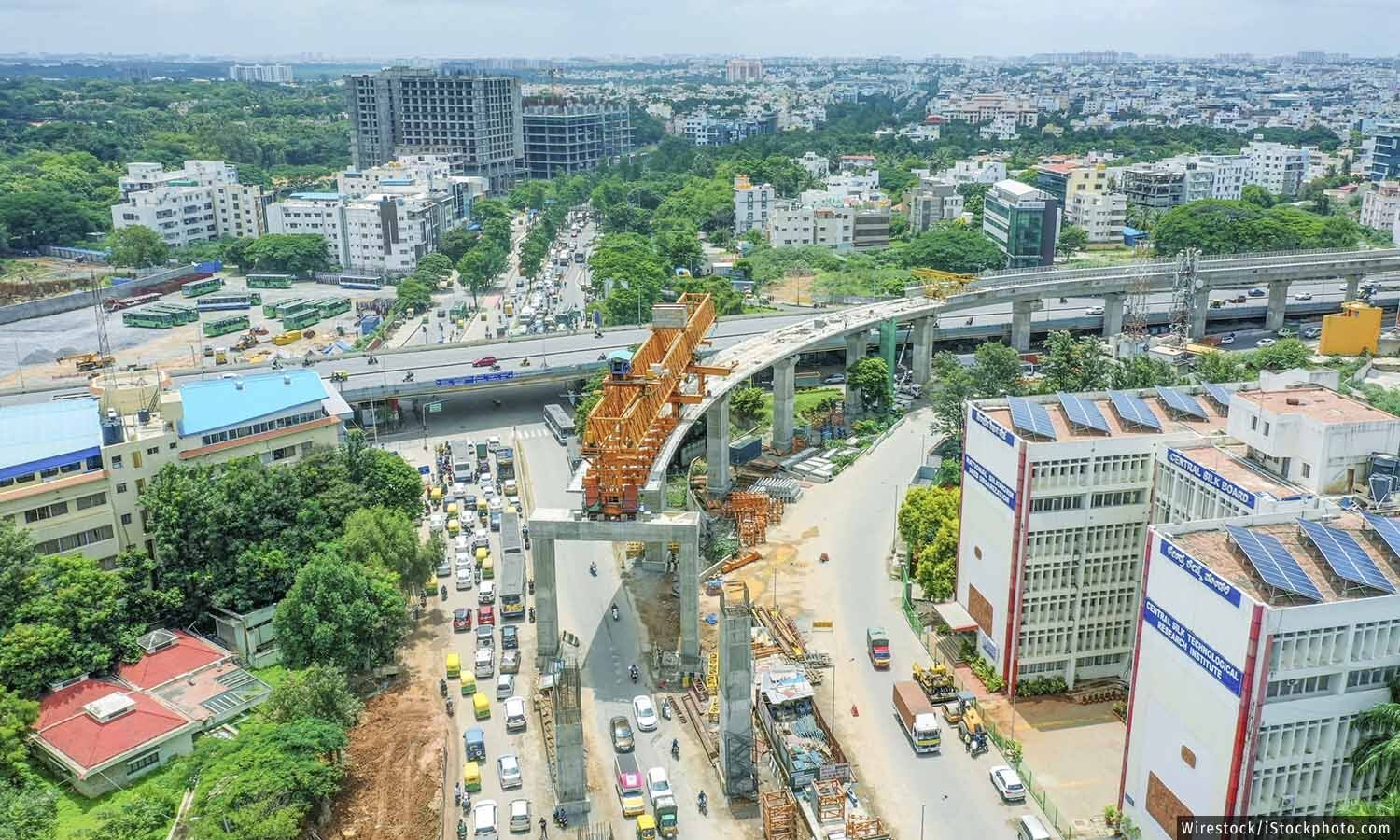
Smart City projects in India have reached a critical phase in 2026, with several cities reporting visible improvements while others continue to struggle with execution delays. The focus is now shifting from announcements to measurable on-ground results.
Smart City projects update 2026 shows a mixed picture across India. While cities like Indore, Surat, and Bhopal have demonstrated tangible progress, others are still dealing with slow implementation and incomplete infrastructure.
What the Smart Cities Mission Aimed to Achieve
Launched in 2015, the Smart Cities Mission was designed to improve urban infrastructure, governance, and quality of life through technology-driven solutions. The plan covered 100 cities, many of them Tier-2 and Tier-3 urban centers.
The mission focused on area-based development, efficient public services, smart mobility, and improved waste management systems. Funding was shared between the central and state governments, with execution handled by local bodies.
By 2026, most projects are expected to be either completed or in advanced stages, making this a crucial period to assess actual impact.
Cities Showing Strong Smart City Implementation Results
Cities like Indore have consistently ranked high in cleanliness and urban management, reflecting effective use of Smart City funds. Waste segregation systems, digital monitoring, and public participation have played key roles.
Surat has emerged as a leader in urban mobility and surveillance systems. Integrated command and control centers are actively used for traffic management and emergency response.
Bhopal has made progress in developing smart roads, public spaces, and digital governance platforms. These improvements are visible in specific zones where projects have been fully implemented.
These cities show that consistent planning, local governance capacity, and citizen engagement are critical for success.
Mixed Outcomes in Other Tier-2 Cities
Not all cities have delivered similar results. In cities like Nagpur and Raipur, progress is visible but uneven.
Nagpur has implemented projects such as smart street lighting, improved public transport systems, and surveillance infrastructure. However, coverage is not uniform across all areas, with some neighborhoods still lacking basic upgrades.
Raipur has initiated several infrastructure and beautification projects, but delays and funding constraints have slowed overall progress. In many cases, only selected zones reflect Smart City improvements.
This uneven development highlights challenges in scaling projects across entire urban areas.
Key Challenges Slowing Down Smart City Progress
One of the biggest challenges in Smart City implementation is coordination between multiple agencies. Urban projects often involve state departments, municipal bodies, and private contractors, leading to delays.
Funding utilization is another concern. While budgets are allocated, timely execution and efficient spending remain inconsistent across cities.
Land acquisition, regulatory approvals, and technical capacity also affect project timelines. Smaller cities often lack the expertise required to manage large-scale urban transformation projects.
Public awareness and participation are also limited in some regions, reducing the effectiveness of initiatives designed to improve citizen services.
Technology and Governance Improvements on the Ground
Despite challenges, Smart City projects have introduced noticeable improvements in governance and service delivery. Integrated command centers are now operational in many cities, enabling real-time monitoring of traffic, utilities, and emergencies.
Digital platforms for grievance redressal and service access have improved transparency and efficiency. Citizens can now report issues and track resolutions more easily.
Smart lighting, CCTV surveillance, and improved waste management systems are among the most visible outcomes. These changes may seem incremental, but they contribute to overall urban efficiency.
What This Means for Future Urban Development
The Smart City projects update 2026 indicates that while the mission has achieved partial success, long-term impact depends on sustainability and scalability.
Cities that have shown consistent results share common factors such as strong local governance, efficient planning, and active citizen involvement.
Going forward, the focus is likely to shift from launching new projects to maintaining and expanding existing infrastructure. Ensuring that benefits reach all parts of a city remains a key challenge.
Urban development strategies may also evolve to integrate climate resilience, water management, and inclusive planning as core priorities.
Takeaways
- Smart City projects in India show mixed results in 2026
- Cities like Indore, Surat, and Bhopal demonstrate strong progress
- Tier-2 cities such as Nagpur and Raipur show uneven implementation
- Long-term success depends on governance, funding, and scalability
FAQ
What is the Smart Cities Mission in India?
It is a government initiative launched in 2015 to improve urban infrastructure and services using technology-driven solutions.
Which cities have performed well under the Smart Cities Mission?
Indore, Surat, and Bhopal are among the cities showing consistent and visible progress.
Why are some cities lagging behind?
Challenges such as coordination issues, funding delays, and limited technical capacity affect implementation.
Are Smart City projects benefiting all residents?
In many cases, benefits are concentrated in selected areas, and full-city coverage is still a work in progress.







Leave a comment