

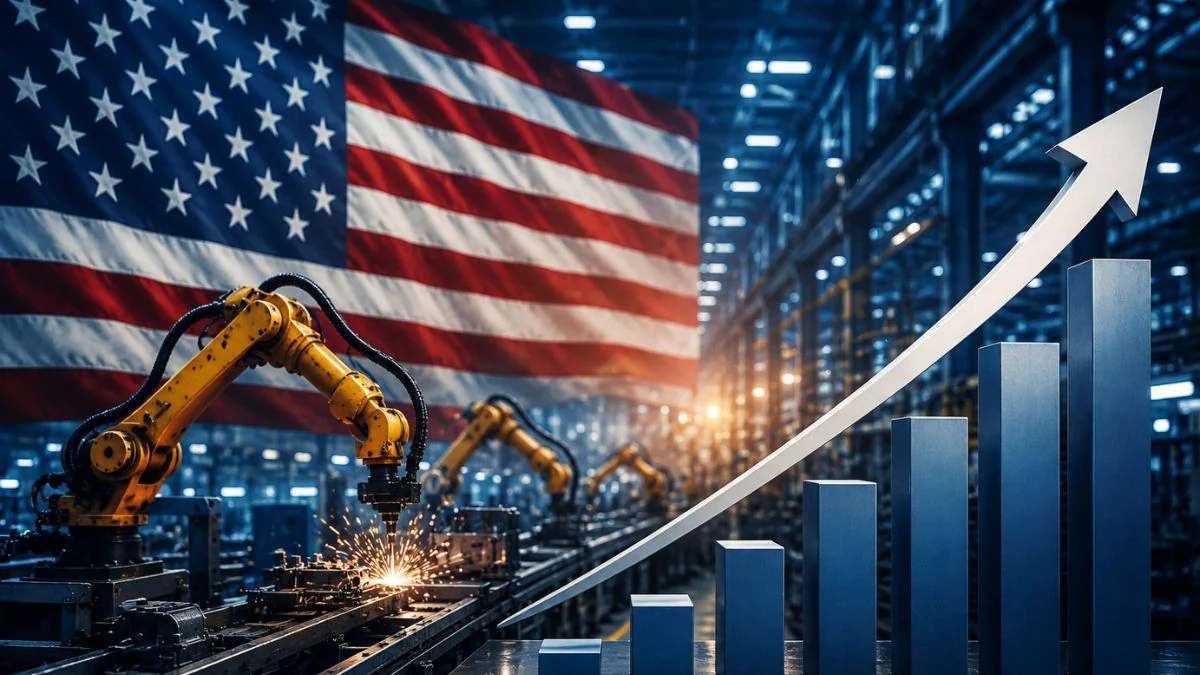
India’s manufacturing investment landscape is undergoing a major transformation as state governments increasingly focus on attracting industries to Tier-2 and Tier-3 cities. Through industrial policies, infrastructure development, and investor-friendly incentives, states are competing to become the preferred destination for new factories and production facilities beyond traditional metropolitan hubs.
Manufacturing Investments Shift Beyond Major Cities
Manufacturing investments have traditionally been concentrated around metropolitan regions such as Mumbai, Bengaluru, Chennai, Delhi NCR, and Hyderabad. However, rising land prices, congestion, and increasing operational costs in these cities have encouraged companies to explore alternatives.
Recognizing this trend, state governments across India have intensified efforts to attract manufacturing investments to smaller cities and industrial clusters. The objective is not only to generate employment but also to promote balanced regional development and reduce economic concentration in a handful of urban centers.
States such as Gujarat, Maharashtra, Tamil Nadu, Uttar Pradesh, Karnataka, Andhra Pradesh, Odisha, and Madhya Pradesh have launched targeted initiatives aimed at attracting domestic and foreign manufacturers to emerging industrial locations.
Industrial Corridors and Infrastructure Development
One of the most significant factors influencing manufacturing investment decisions is infrastructure. State governments are investing heavily in industrial corridors, logistics parks, highways, rail connectivity, and power infrastructure to make smaller cities more attractive for businesses.
Projects linked to the Delhi-Mumbai Industrial Corridor, Chennai-Bengaluru Industrial Corridor, and other regional industrial zones have improved connectivity between production centers and major markets. Better transportation networks help manufacturers reduce logistics costs while ensuring faster movement of goods.
Several states are also developing dedicated industrial parks for sectors such as electronics, textiles, automobiles, pharmaceuticals, renewable energy equipment, and food processing. These specialized clusters create ecosystems where suppliers, manufacturers, and service providers can operate efficiently within the same region.
State Incentives and Ease of Doing Business
Competition among states has led to increasingly attractive investment incentives. Governments are offering benefits such as subsidized land, capital investment support, electricity duty exemptions, tax reimbursements, and skill development assistance.
Single-window clearance systems have become a major selling point. Investors often prioritize locations where approvals for land acquisition, environmental clearances, and construction permits can be obtained quickly.
States have also simplified compliance requirements and digitized approval processes. These reforms help reduce bureaucratic delays, making smaller cities more competitive compared to traditional industrial hubs.
The focus on ease of doing business has become particularly important as global manufacturers seek predictable regulatory environments when choosing investment destinations.
Rise of Tier-2 and Tier-3 Manufacturing Hubs
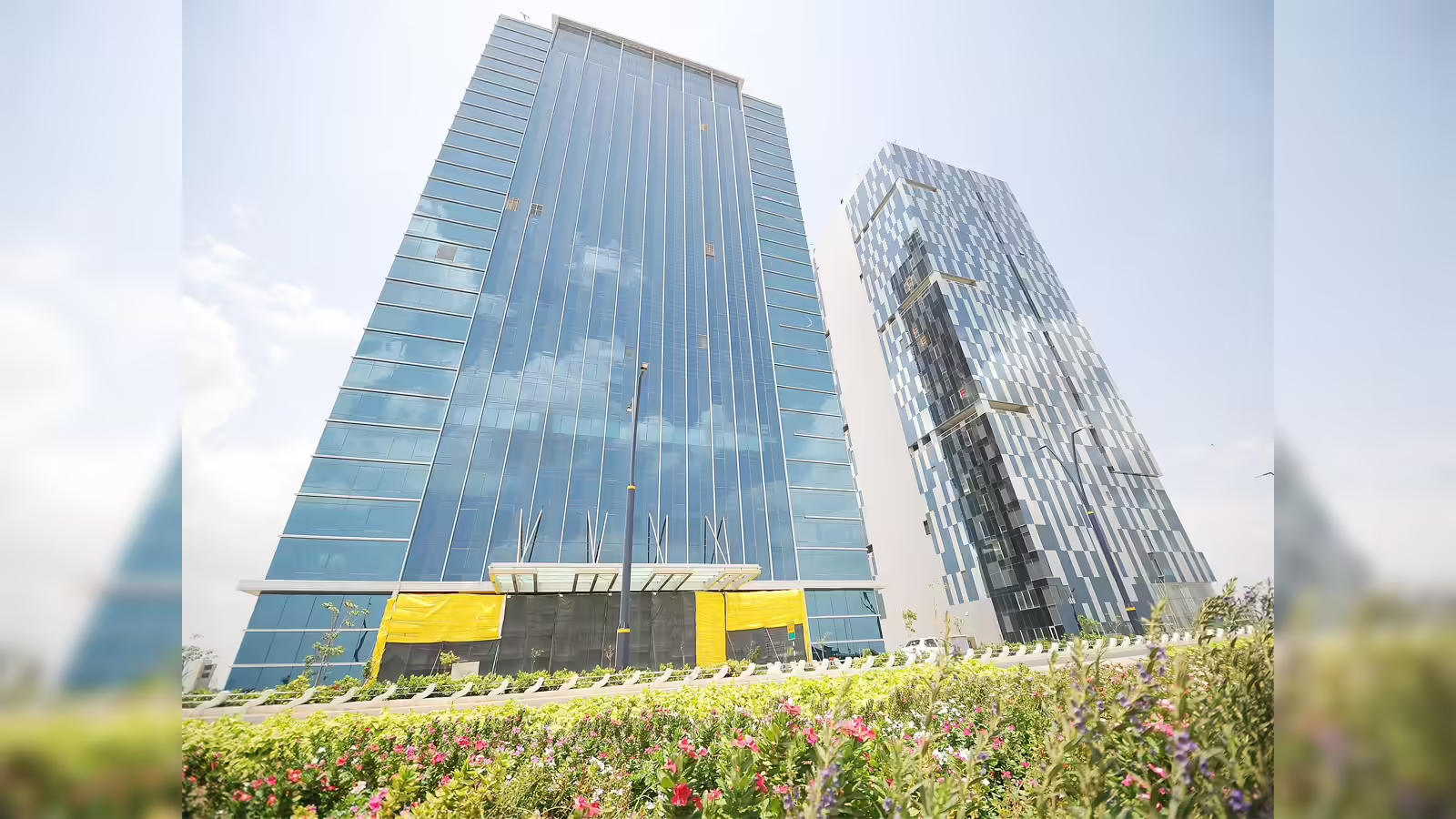
Several smaller cities are emerging as important manufacturing centers. Locations such as Sanand and Dholera in Gujarat, Aurangabad and Nagpur in Maharashtra, Hosur in Tamil Nadu, Dharwad in Karnataka, and Jhansi in Uttar Pradesh are attracting industrial attention.
These cities offer a combination of lower land costs, expanding infrastructure, and access to local labor pools. For many companies, operating expenses in these locations can be significantly lower than in major metropolitan areas.
The growth of these manufacturing hubs is also creating opportunities for local businesses, suppliers, transport operators, and service providers. As industries expand, supporting ecosystems naturally develop around them, contributing to broader economic growth.
This trend aligns with India’s goal of strengthening domestic manufacturing under initiatives such as Make in India while increasing industrial activity across multiple regions.
Employment Generation and Regional Growth
One of the most important outcomes of manufacturing expansion beyond metro cities is job creation. New factories generate direct employment while also creating indirect opportunities in logistics, maintenance, retail, housing, and local services.
For smaller cities, manufacturing investments can act as catalysts for urban development. Improved infrastructure, increased demand for housing, better educational facilities, and enhanced public services often follow major industrial projects.
State governments view manufacturing-led development as a way to reduce migration pressure on large cities while creating economic opportunities closer to people’s hometowns. This approach can contribute to more balanced growth across states and regions.
At the same time, states must ensure that industrial growth remains environmentally sustainable and socially inclusive. Long-term success depends on maintaining a balance between economic development and responsible resource management.
Challenges States Still Need to Address
Despite progress, competition for manufacturing investments remains intense. States continue to face challenges related to land acquisition, workforce training, environmental clearances, and infrastructure gaps in certain regions.
Skill availability is another critical factor. Modern manufacturing increasingly requires workers trained in automation, robotics, electronics, and advanced production technologies. States that invest effectively in vocational training and industry-linked education may gain a competitive advantage.
Global economic conditions, supply chain shifts, and changing trade dynamics will also influence future investment decisions. States must continuously adapt policies to remain attractive to investors.
As India seeks to become a larger global manufacturing destination, the race among state governments to attract industries beyond metropolitan cities is likely to accelerate further.
Key Takeaways
• State governments are actively competing to attract manufacturing investments to Tier-2 and Tier-3 cities.
• Infrastructure projects, industrial corridors, and specialized industrial parks are driving this shift.
• Incentives and ease-of-doing-business reforms have become key tools for attracting investors.
• Manufacturing growth beyond metro cities can generate jobs, boost local economies, and support balanced regional development.
FAQ
Why are companies moving manufacturing facilities beyond metro cities?
Companies are seeking lower land costs, reduced operational expenses, better availability of industrial land, and improved logistics infrastructure in smaller cities.
Which Indian states are leading in attracting manufacturing investments?
States such as Gujarat, Maharashtra, Tamil Nadu, Uttar Pradesh, Karnataka, Andhra Pradesh, and Madhya Pradesh are among the leading destinations for manufacturing investments.
How do state governments attract manufacturing companies?
They offer incentives such as subsidized land, tax benefits, infrastructure support, faster approvals, and industrial park facilities.
What benefits do smaller cities receive from manufacturing investments?
Smaller cities gain employment opportunities, infrastructure development, business growth, higher incomes, and improved regional economic activity.
(Manufacturing Investments India, Tier-2 Cities Growth, Industrial Corridors India, State Industrial Policies, Make in India, Manufacturing Hubs, Industrial Development, Regional Economic Growth)









Leave a comment